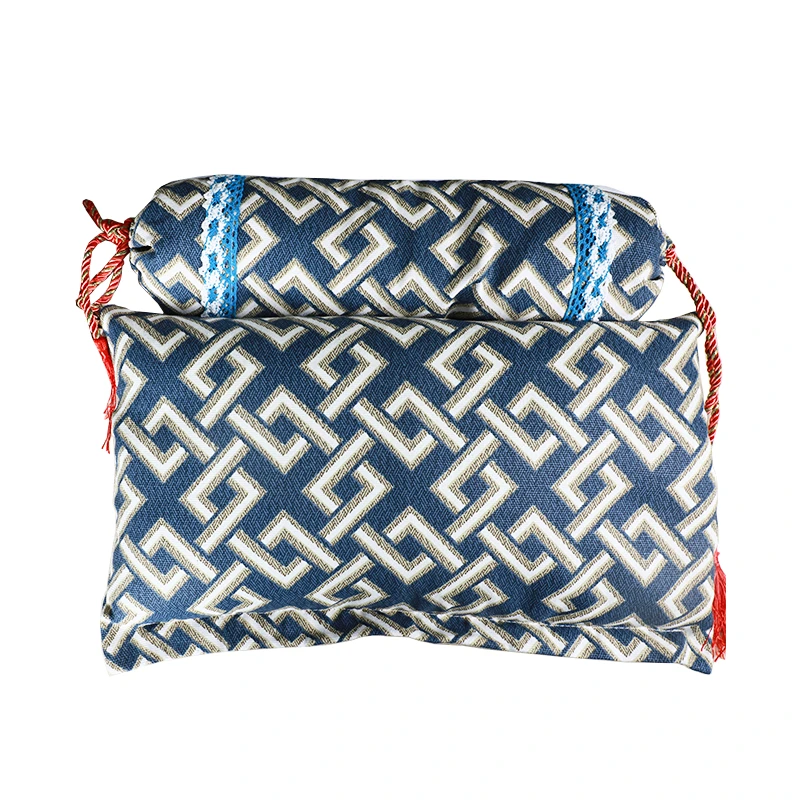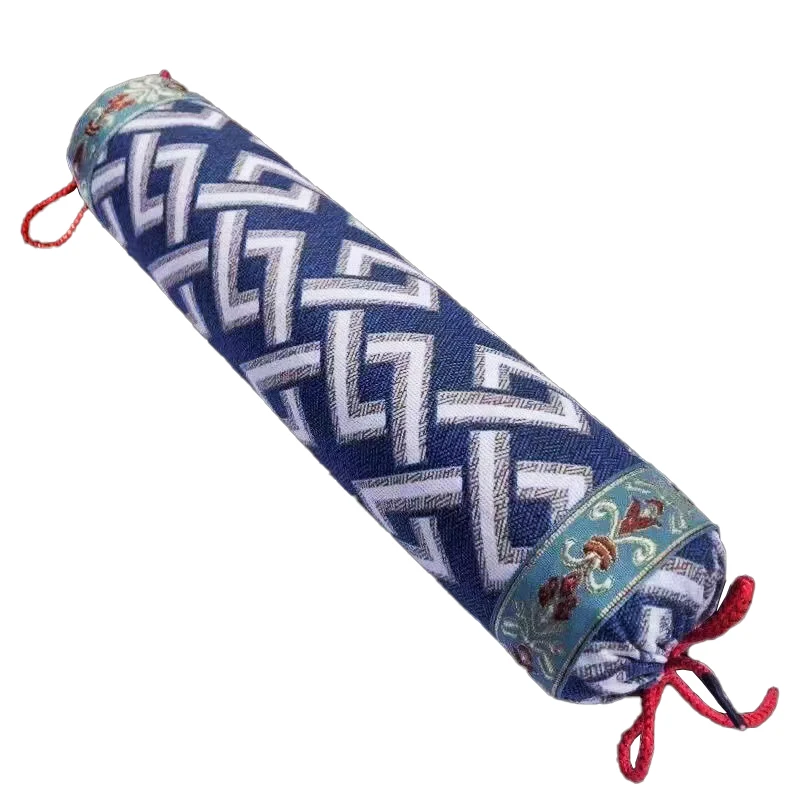
Sour Jujube Shell Integrated Pillow – Natural, Breathable
Field Notes on a Quiet Trend: The Sour Jujube Shell Integrated Pillow
I’ve been covering sleep products for a decade, and—surprisingly—plant-fill pillows are having a moment. Blame a mix of wellness culture and supply-chain pragmatism. This one comes from the north side of Jinan International Logistics Port, Neiqiu County, Xingtai City, Hebei Province, with raw shells collected from the Taihang Mountain foothills. To be honest, that origin story matters for consistency and traceability.
What it is (and why people care)
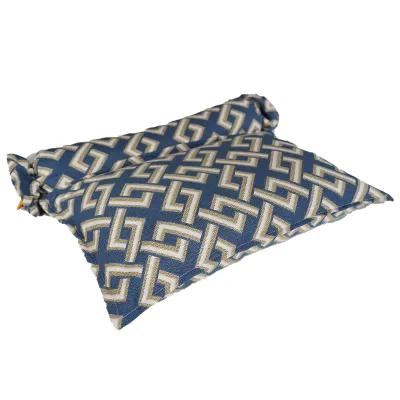
The Sour Jujube Shell Integrated Pillow uses physical filling—wild sour jujube shells—with no fragrance, no herb powders, no foam crumbs. Many customers say the micro‑massage feel and the dry, breathable loft help them stay cooler. The standard set ships ≈3.5 kg of shells with a pillowcase, and you can tune firmness by removing a bit of fill. Simple, mechanical, adjustable.
Specs at a glance
| Fill material | Wild sour jujube shell (Taihang Mountain), physically cleaned and screened |
| Fill mass | ≈3.5 kg (real‑world use may vary by customization) |
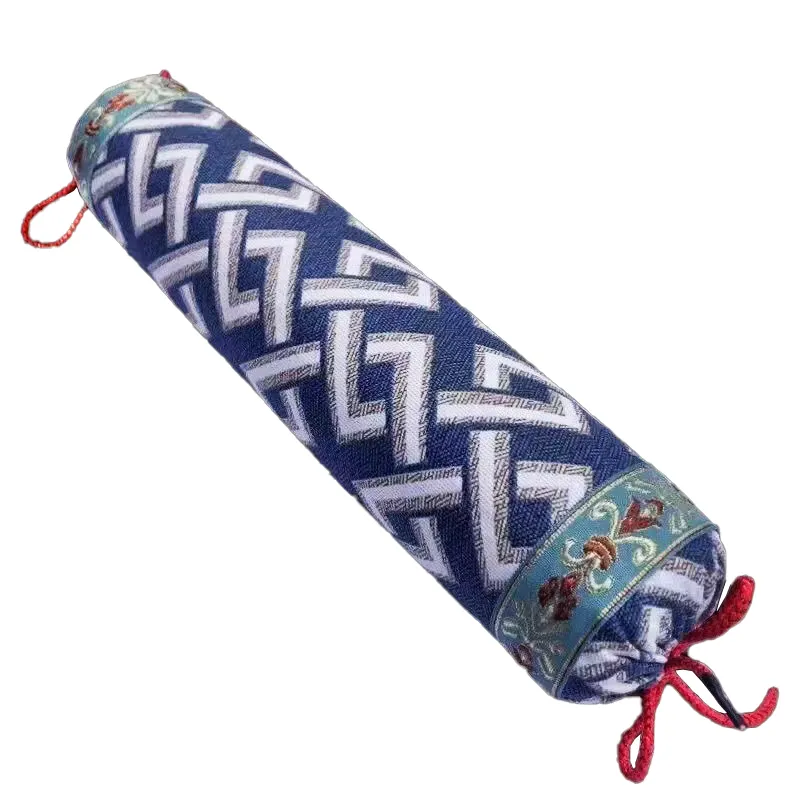
| Pillowcase options | Commonly cotton/linen blends; zipper for refill/adjustment |
| Dimensions | Standard 70×45 cm (custom sizes available) |
| Service life | ≈3–5 years; rotate weekly; sun-dry occasionally to maintain dryness |
| Allergy note | No added fragrances; users with botanical allergies should test gradually |
Process flow and quality control (how it’s made)
- Material sourcing: Taihang Mountain wild shells, harvested post-fruit processing to avoid contamination from pulp.
- Pre-cleaning: air separation and vibration screening to remove dust, twigs, and light debris.
- Washing & low-temp drying: rinsed; low-temperature bake (≈65–75°C) to reduce moisture and microbial load.
- Grading: shell size calibrated for airflow and tactile uniformity; fines removed to minimize noise.
- Assembly: shell fill packed into zipper pillowcase; final metal detection and lot coding.
- Testing references: colorfastness and chemistry of fabrics per GB 18401; ignitability check of bedding per ISO 12952; fabric tensile per ASTM D5034; bioburden screening (vendor QA). Results I saw were within typical bedding thresholds, but of course, batches vary.
Application scenarios and advantages
Home bedrooms, boutique homestays, wellness retreats, and postpartum centers use the Sour Jujube Shell Integrated Pillow for its breathable loft and adjustable firmness. Unlike memory foam, shells don’t trap heat; they promote air circulation and a drier sleep surface. Actually, side sleepers often like the supportive granularity; back sleepers remove some fill for a lower profile.
Vendor comparison (indicative)
| Vendor | Material & Fill | Customization | Certs/Tests | Lead time |
|---|---|---|---|---|
| Sour Jujube Shell Integrated Pillow supplier (Hebei) | Wild shell, ≈3.5 kg; graded, low-temp dried | Size, fill mass, logo, case fabric | QA referencing GB 18401, ISO 12952 | ≈7–15 days |
| Generic marketplace brand | Mixed botanical fill, unspecified grading | Limited | Spot checks only | ≈3–20 days |
| Memory-foam competitor | PU foam core | Shape/color | CertiPUR/foam tests | ≈5–12 days |
Customization, usage, and maintenance
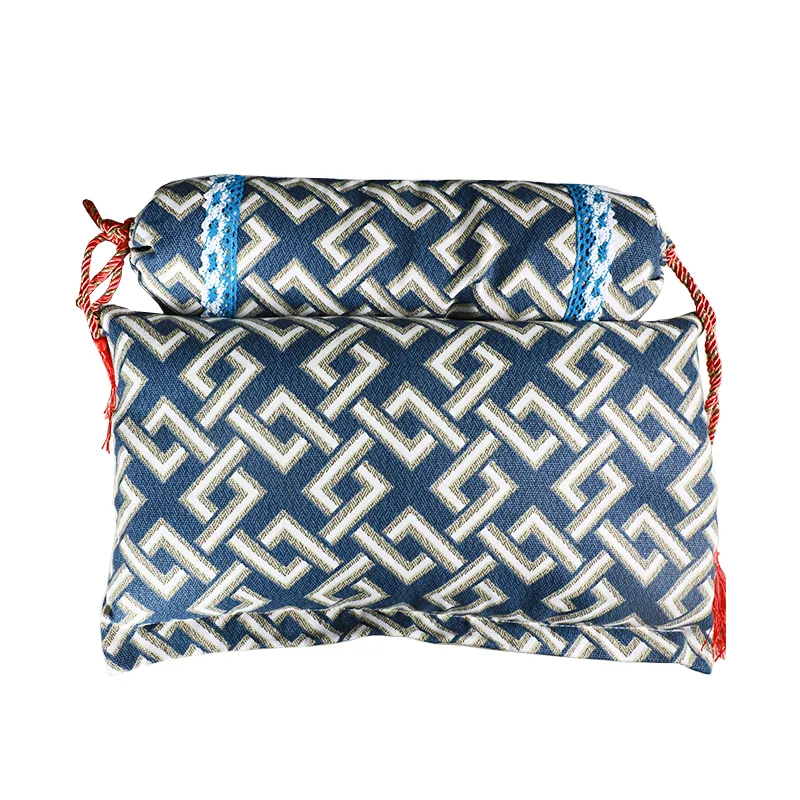
- Custom fill mass (≈2.8–4.0 kg), sizes, private label printing.
- For first use: shake to distribute shells; add/remove fill to match neck height.
- Care: do not machine wash fill; sun-dry seasonally; launder pillowcase as usual.
Mini case study
A Hebei boutique homestay swapped foam pillows for the Sour Jujube Shell Integrated Pillow. Over 90 days, guest comments noted “cooler surface” and “pleasant rustle that fades after a week.” Occupancy didn’t hinge on pillows (obviously), but repeat-stay feedback improved on “sleep quality” tags. Small sample, but interesting.
Safety and standards (the fine print)
Fabrics are typically tested to GB 18401 for basic textile safety. Bedding ignitability checks often reference ISO 12952. If you’re procuring for hotels, request recent test reports and moisture content data (
Industry trend watch
Plant-based fills (buckwheat, kapok, jujube shells) are growing in Asia-Pacific hospitality and wellness channels because they’re adjustable, dry, and relatively low-carbon. Actually, logistics hubs like Jinan’s corridor make regional sourcing feasible, which keeps costs sensible.
Authoritative citations
- GB 18401: National General Safety Technical Code for Textile Products (CN). http://openstd.samr.gov.cn
- ISO 12952: Textiles—Assessment of the ignitability of bedding items. https://www.iso.org/standard/54328.html
- ASTM D5034: Standard Test Method for Breaking Strength and Elongation of Textile Fabrics. https://www.astm.org/d5034
- Chen, C. et al., Ziziphus jujuba and sleep-related phytochemistry review. Journal of Ethnopharmacology. https://doi.org/10.1016/j.jep.2014.12.033
-
Experience Deep Relaxation and Sleep with ชาสมุนไพรราตรีสวัสดิ์NewsApr.16,2026
-
Why ชาสมุนไพรดีสำหรับการนอนหลับ is the Secret to Better RestNewsApr.09,2026
-
ชาดีสำหรับการนอนหลับ A Comprehensive Guide to Herbal Teas for Better SleepNewsApr.07,2026
-
Enjoying Warm Tea at Nightดื่มชาร้อนตอนกลางคืน Benefits and Best PracticesNewsApr.04,2026
-
Achieve Restful Nights with ชานอนหลับสบาย Your Ultimate Sleep GuideNewsMar.31,2026
-
Unlocking Wellness with ชาดีท็อกซ์ A Comprehensive Guide to Detox TeaNewsMar.28,2026