High Quality Sour Jujube Tea Where to Buy Authentic Sprout Tea
Finding a reliable source for high-quality herbal infusions often leads discerning buyers to seek authentic origin products that prioritize purity over mass production. For those searching for jujube tea where to buy, the challenge lies in distinguishing between generic commercial blends and authentic medicinal-grade sprout teas. Authentic sour jujube sprout tea, specifically those sourced from the Taihang Mountain region, offers a distinct profile focused on natural sleep support and systemic relaxation, moving beyond simple flavor to deliver genuine botanical benefits.
This guide examines the critical differences in sprout tea quality, the importance of the 37° North latitude growth environment, and how to evaluate the supply chain of your provider to ensure you receive a product free from additives and grafted tree fillers. By focusing on the specific characteristics of the Neiqiu region, buyers can make informed decisions based on botanical authenticity and processing standards.

The Botanical Significance of Authentic Sour Jujube Sprout Tea
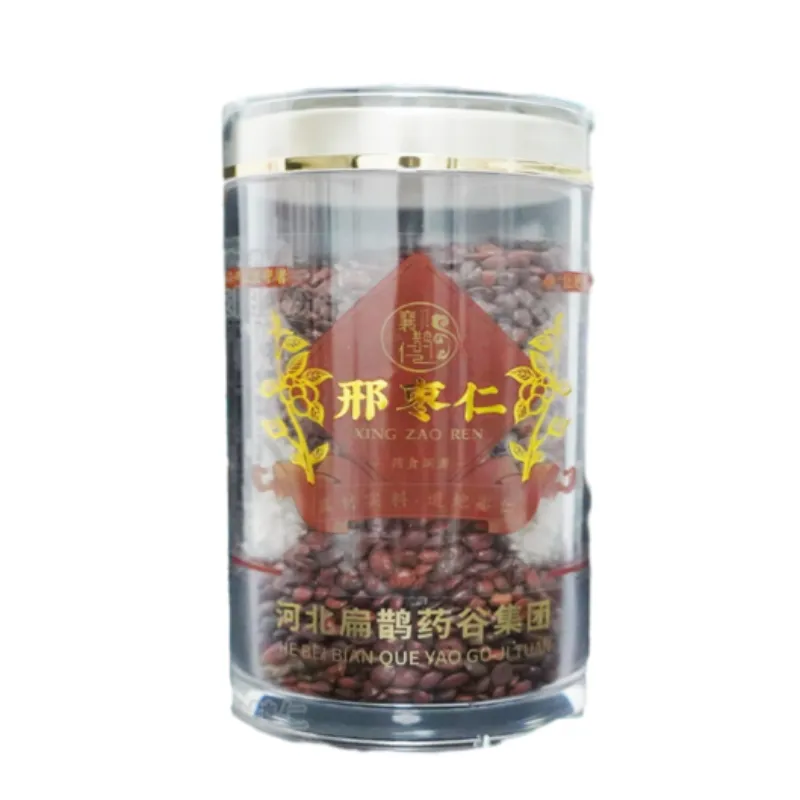
The quality of sour jujube tea is fundamentally determined by the raw material's origin and the stage of growth. Unlike common jujube products, premium sprout tea is harvested from naturally growing small jujube buds, strictly avoiding grafted trees or large industrial plantations. This ensures that the concentrated essence of the plant is captured during its most potent growth phase, resulting in a product with a higher effective content of active compounds.
The geographical advantage of the Neiqiu area in Xingtai, located at the magical 37° North latitude, provides a unique combination of soil minerals and climatic conditions. This specific environment creates the "large and full grain" characteristic and a superior color profile that is recognized globally. For professional buyers, the absence of impurities and the presence of a rich, fragrant aroma upon opening the lid are the first indicators of a high-standard medicinal material.
- Natural Growth: Only wild-grown buds are selected to maintain phytochemical integrity.
- Geographic Origin: Sourced from the core thyme jujube industrial belt of the Taihang Mountains.
- Purity Standards: Rigorous selection process to eliminate inferior or fake kernels.

Evaluating Sensory Profiles and Quality Indicators
Professional procurement of botanical teas requires a systematic sensory evaluation. High-grade sour jujube sprout tea should be assessed across three primary dimensions: aroma, visual clarity, and taste evolution. A rich, fragrant scent immediately upon opening the packaging indicates proper drying and storage, preventing the oxidation of volatile oils.
Visually, the brewed liquor should exhibit a bright yellow-green hue, reflecting the freshness of the sprouts. The tasting experience is more complex; it should begin with a soft entry and a slight, characteristic astringency, which then transitions into a mellow, fragrant flavor with a lingering sweet aftertaste. This specific progression is a hallmark of authentic Neiqiu jujube kernel products and is often absent in low-cost alternatives.
For those considering jujube tea where to buy, requesting a sample to verify these sensory markers is essential. Inconsistent color or a flat taste usually indicates the use of old stock or the inclusion of filler materials from non-authentic regions.
Application Scenarios and Target Demographics
The application of sour jujube sprout tea is primarily centered on addressing sub-health conditions related to sleep and stress. Because of its natural properties, it is particularly suited for specific population groups who experience difficulty in achieving restorative rest without relying on synthetic interventions.
White-collar professionals facing high-pressure environments and addiction to staying up late often find the tea helpful for calming the mind before sleep. Similarly, middle-aged and elderly individuals who experience frequent waking or vivid, disruptive dreams can utilize the tea as a daily ritual to stabilize their sleep cycles. For women in comprehensive stages of physiological change, the tea provides a gentle way to manage irritability and physical fatigue.
The usage is straightforward: brewing with boiling water (above 90 degrees Celsius) allows the tea leaves to stretch and release their active components. The tea can be steeped multiple times, providing a sustainable way to incorporate botanical support into a daily health regimen.
Sour Jujube Sprout Tea Technical Specifications
| Attribute | Detailed Specification | Quality Standard | Buyer Consideration |
|---|---|---|---|
| Origin | Neiqiu, Xingtai, Hebei | Authentic Origin (Taihang Mt.) | Crucial for active content |
| Ingredient | Pure Sour Jujube Sprout | No additives/fillers | Check for "grafted" sources |
| Liquor Color | Bright Yellow-Green | Clear and Lush | Indicator of freshness |
| Shelf Life | 18 Months | Cool & Dry Storage | Batch date verification |
| Taste Profile | Mellow with sweet aftertaste | Initial astringency | Verify authenticity via sample |
Supply Chain Integrity and Manufacturer Capabilities
In the botanical industry, the "whole industry chain" model is the only way to guarantee absolute quality. A fragmented supply chain—where a trader buys from a middleman who buys from a farm—increases the risk of adulteration and quality degradation. A vertical integration approach, covering cultivation, processing, storage, and sales, ensures that the product remains pure from the field to the cup.
Hebei Riyoucheng Xingzaoren Biotechnology embodies this model by maintaining over 12,000 acres of high-quality planting bases and operating its own modern drying rooms and cold storage. By controlling the original warehouse of Chinese sour-jujube kernels, the company eliminates the "bad money drives out good" phenomenon prevalent in the open market, where low-priced, fake kernels often displace authentic materials.
For B2B buyers and distributors, the ability to verify the cultivation base and the processing workshop is a key risk-mitigation strategy. Ensuring the supplier has the capacity for independent processing and private brand sales (OEM/ODM) allows for greater consistency in batch quality and adherence to international export standards for markets in South Korea, Japan, and Southeast Asia.
Procurement Strategies for Authentic Botanical Teas
When navigating the market for sour jujube sprout tea, buyers should prioritize transparency over price. The existence of low-cost alternatives is often a red flag, as the cost of maintaining authentic, wild-grown bases in the Taihang Mountains is significantly higher than industrial farming. A professional procurement checklist should include requests for origin certification and laboratory analysis of effective contents.
Looking forward, the demand for medicinal and food homologous products is increasing as people seek natural alternatives for sleep management. The trend is moving toward "origin-specific" products, where the geographical identity of the material is as important as the product itself. Buyers should seek partners who not only supply the product but also possess a deep understanding of the traditional culture and pharmaceutical history of the region, such as the Bian Que pharmaceutical heritage.
Ultimately, the goal is to establish a partnership with a manufacturer that adheres to the bottom line of authenticity. By focusing on origin, processing transparency, and sensory verification, procurement managers can secure a stable supply of top-tier sour jujube products that meet the health requirements of the modern consumer.
Frequently Asked Questions About Sour Jujube Sprout Tea
What is the difference between sour jujube sprout tea and regular jujube tea?
Sour jujube sprout tea is made specifically from the young buds of the sour jujube plant, which are harvested during a specific growth window to maximize active compounds. Regular jujube tea often uses the fruit or dried leaves from mature trees, which have a different flavor profile and different botanical properties compared to the concentrated essence of the sprouts.
How can I tell if the jujube tea I bought is authentic?
Authentic tea from the Neiqiu region should have a rich fragrance immediately upon opening, a bright yellow-green liquor color when brewed, and a taste that evolves from initial astringency to a mellow, sweet aftertaste. Avoid products that have a dull color or a flat, one-dimensional taste.
Is this tea suitable for people with high-stress jobs?
Yes, it is specifically recommended for white-collar workers and individuals under high pressure who experience difficulty falling asleep or suffer from the effects of staying up late. Its natural properties help in calming the mind and supporting a healthier sleep-wake cycle.
Can the tea be brewed more than once?
Absolutely. High-quality sour jujube sprout tea can be steeped multiple times. It is recommended to use boiling water above 90 degrees Celsius; the tea remains effective until the color of the soup becomes significantly light.
Why is the origin in Hebei Province so important?
The Neiqiu area of Hebei, situated at 37° North latitude under the Taihang Mountains, is the traditional birthplace of this medicinal material. The unique soil and climate result in kernels and sprouts with larger grains and higher effective curative contents compared to other regions.
Does this tea replace medical treatment for insomnia?
No, sour jujube sprout tea is a food-grade botanical supplement and is not intended to replace professional medical treatment. If you have severe chronic insomnia, it is important to consult a healthcare provider at a regular hospital.
Industry Resources and Technical References
- World Health Organization - Traditional Medicine Guidelines
- PubMed - Research on Ziziphus jujuba and Sleep Quality
- FAO - Sustainable Agricultural Practices for Medicinal Plants
- National Center for Complementary and Integrative Health
Choosing the right botanical partner is the first step toward ensuring a high-quality product. For those evaluating jujube tea where to buy, we recommend focusing on manufacturers with fully integrated supply chains and a proven commitment to authentic origin sourcing.
Related Industry Insights