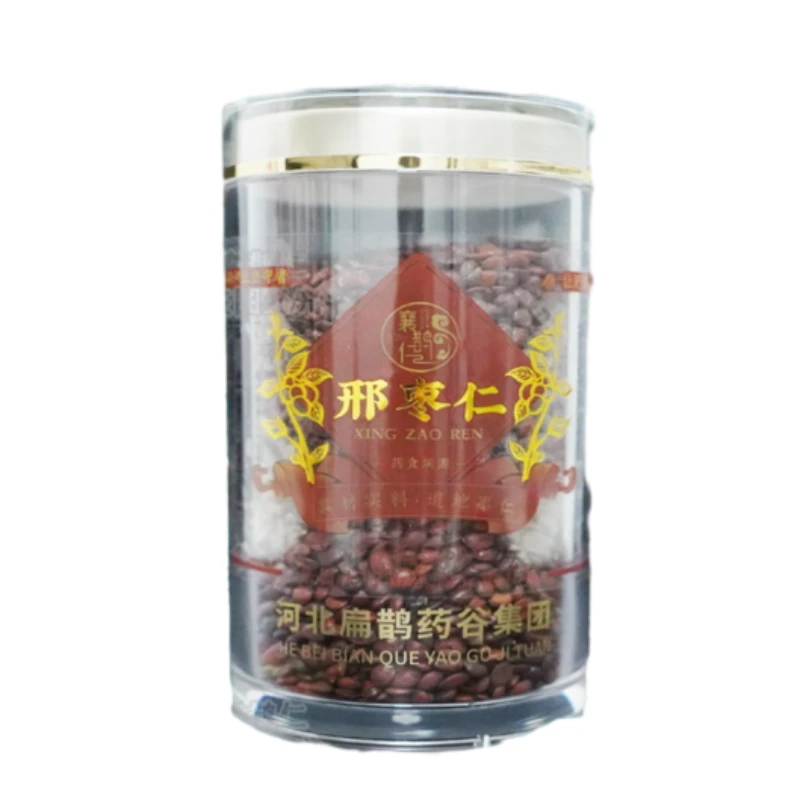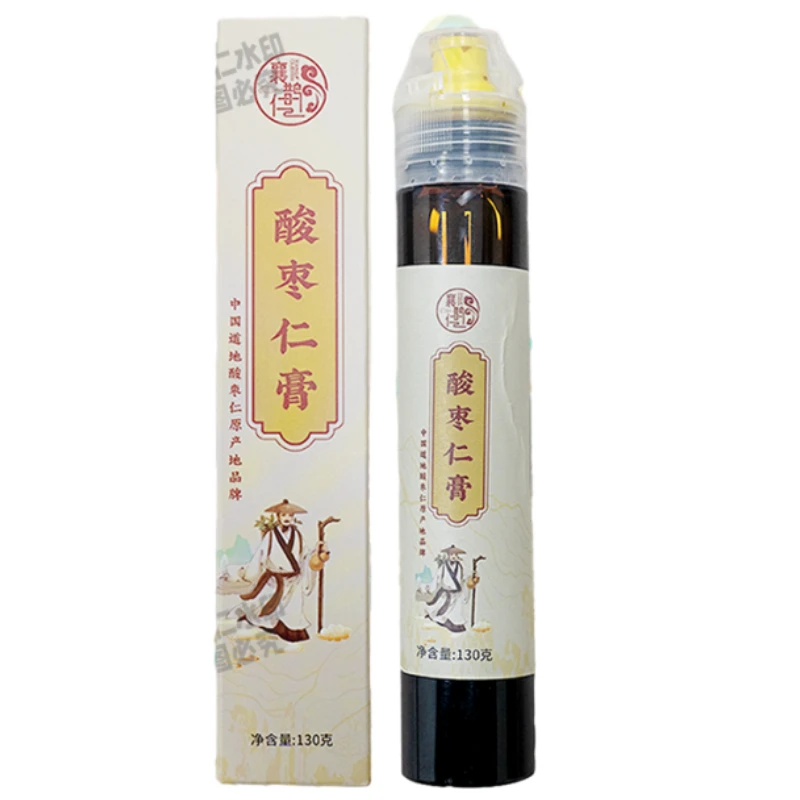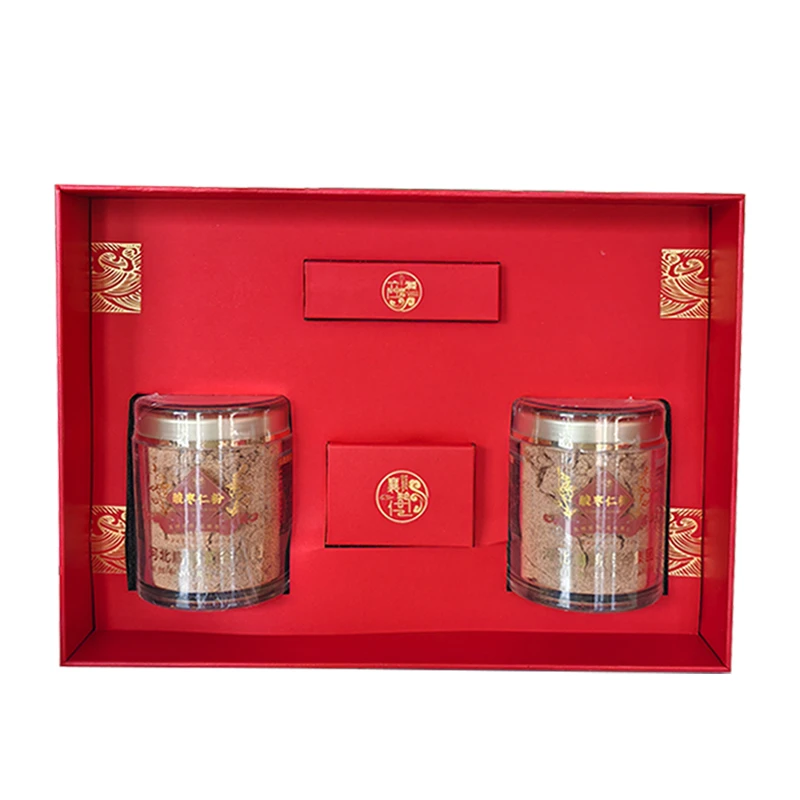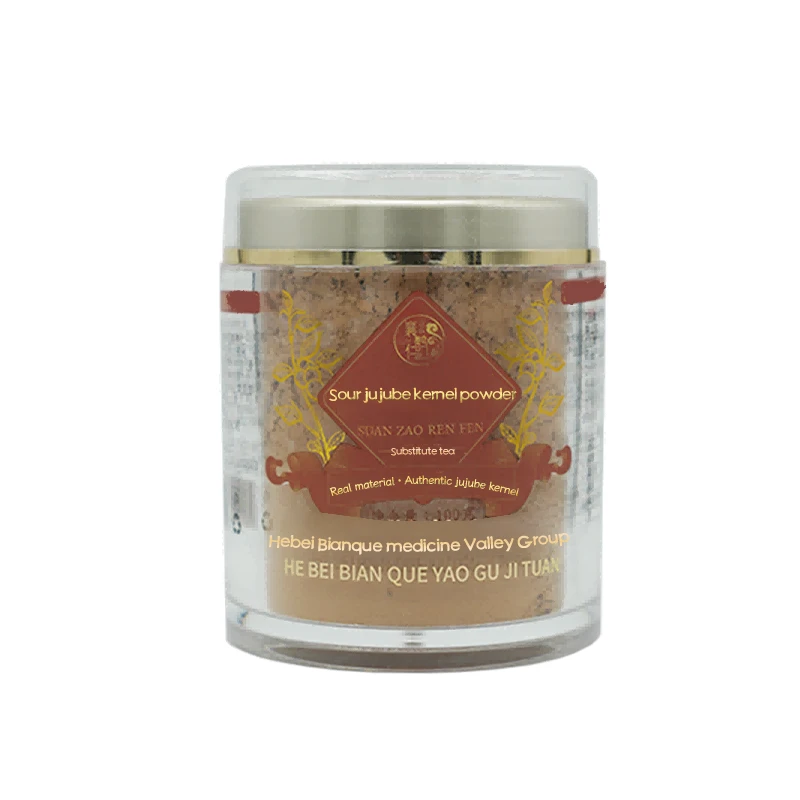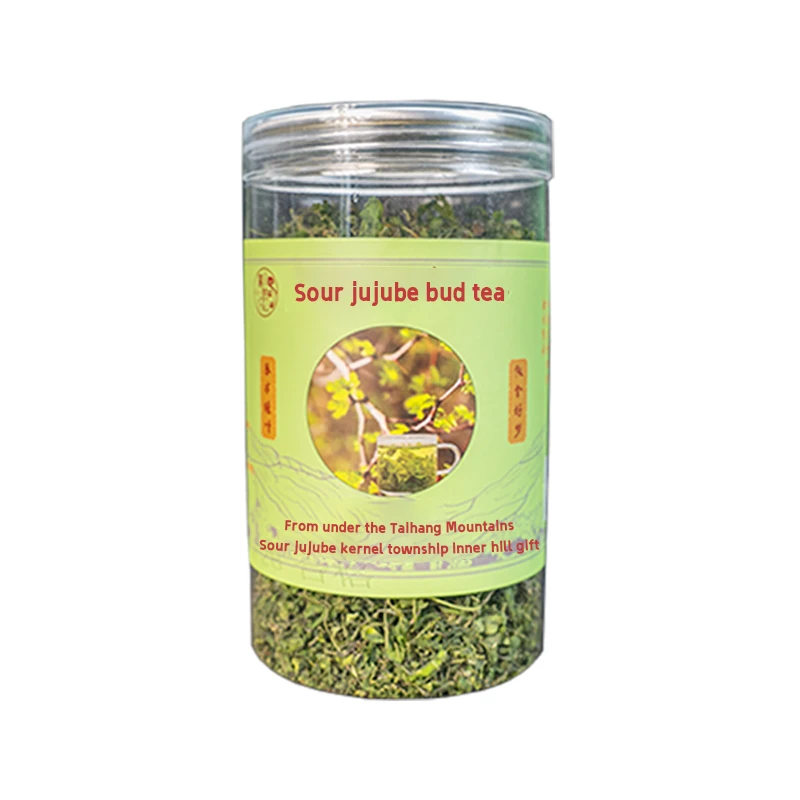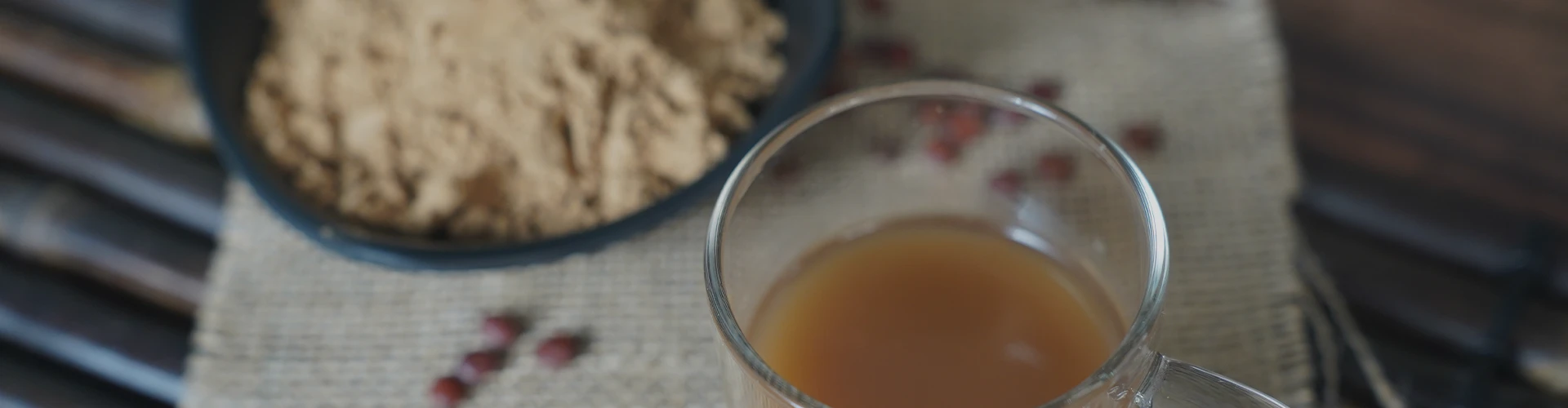
Discover the Wellness Benefits of Traditional Korean Daechu Saenggangcha Tea
대추 생강차: A Traditional Korean Remedy for Wellness
For centuries, Koreans have cherished 대추 생강차 (Daechu Saenggangcha), a comforting and invigorating tea made from jujube dates (daechu) and ginger (saenggang). This traditional beverage is not merely a delicious drink; it's a time-honored remedy used to boost immunity, warm the body, and alleviate various ailments. This article explores the rich history, health benefits, preparation methods, and cultural significance of this beloved Korean tea, offering a comprehensive guide for those seeking natural wellness. Discover why Daechu Saenggangcha is a staple in many Korean households.
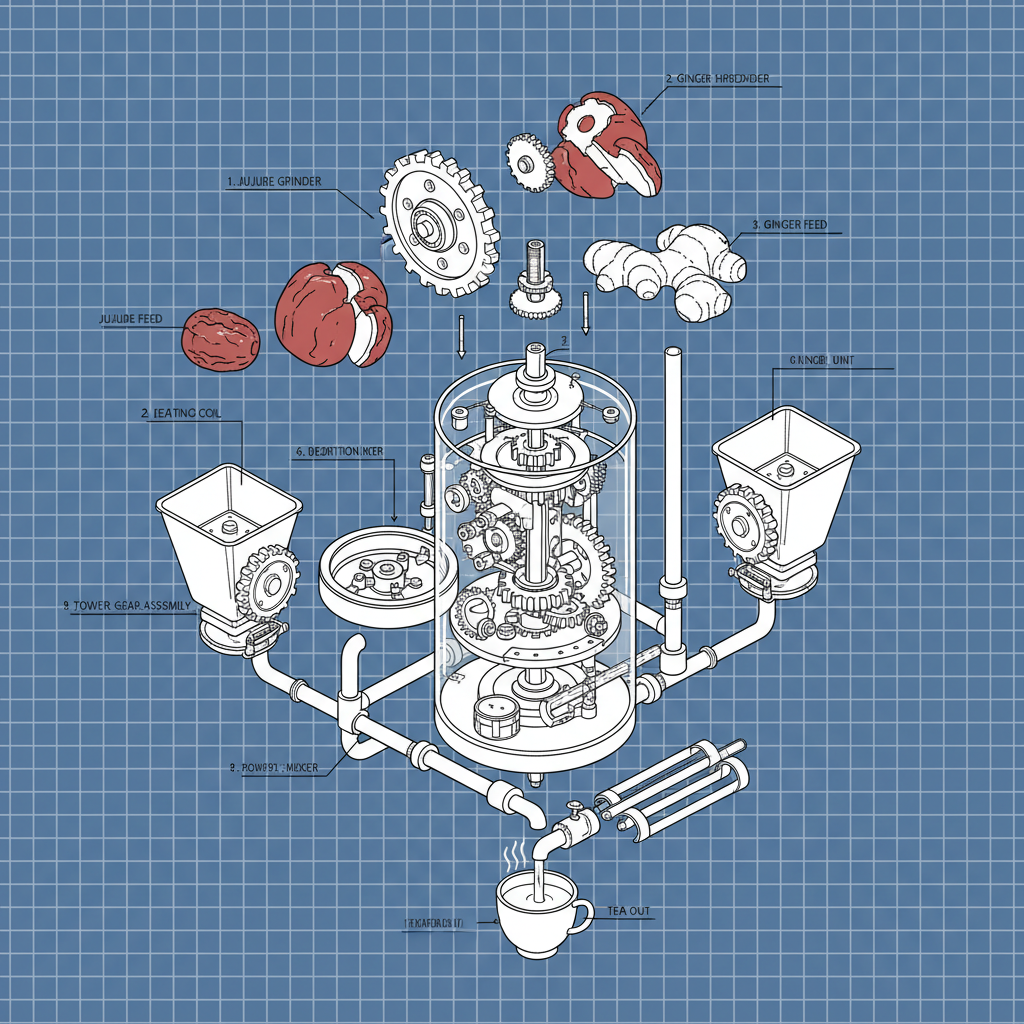
The Historical Roots of 대추 생강차
The history of Daechu Saenggangcha is deeply intertwined with traditional Korean medicine (Hanbang). Jujube dates have been used in Korea for over 2,000 years, revered for their nourishing properties and ability to calm the mind. Ginger, similarly, has a long history of medicinal use in Korea, valued for its warming effects and digestive benefits. Combining these two ingredients created a synergistic effect, resulting in a tea that not only tastes good but also promotes overall health and wellbeing. Historically, this tea was often prepared for women after childbirth to restore strength and energy.
Key Highlights: A combination of jujube dates and ginger, deeply rooted in Korean medicinal traditions, offering both flavor and therapeutic benefits.
Health Benefits: Why Drink 대추 생강차?
Daechu Saenggangcha is packed with health benefits. Jujube dates are rich in vitamins C and A, antioxidants, and various minerals. Ginger possesses anti-inflammatory properties and aids digestion. Together, they create a potent elixir known to boost the immune system, relieve cold and flu symptoms, improve circulation, and reduce stress. Regular consumption can also help improve sleep quality and enhance overall vitality. The warming nature of the tea is particularly beneficial during the cold winter months.
Key Health Benefits:
• Boosts the immune system
• Relieves cold and flu symptoms
• Improves circulation
• Reduces stress and anxiety
대추 생강차: Traditional vs. Modern Preparation Methods
Traditionally, Daechu Saenggangcha was prepared slowly over low heat, allowing the flavors to meld and the beneficial compounds to be fully extracted. Modern methods often involve using tea bags or pre-made syrups for convenience. However, the most authentic and flavorful experience comes from making it from scratch. The process typically involves simmering dried jujube dates and sliced ginger in water for several hours, often with the addition of a small amount of honey or sugar for sweetness.
Cultural Significance: 더 than Just a Tea
Daechu Saenggangcha is more than just a beverage in Korea; it’s a symbol of warmth, hospitality, and traditional wellness. It’s often served to guests as a sign of respect and care. The tea is also commonly consumed during Seollal (Korean Lunar New Year) and Chuseok (Korean Thanksgiving), further cementing its place in Korean culture. Many Koreans believe it possesses a grounding and comforting effect, particularly during times of stress or illness.

Where to Find Authentic 대추 생강차 Ingredients
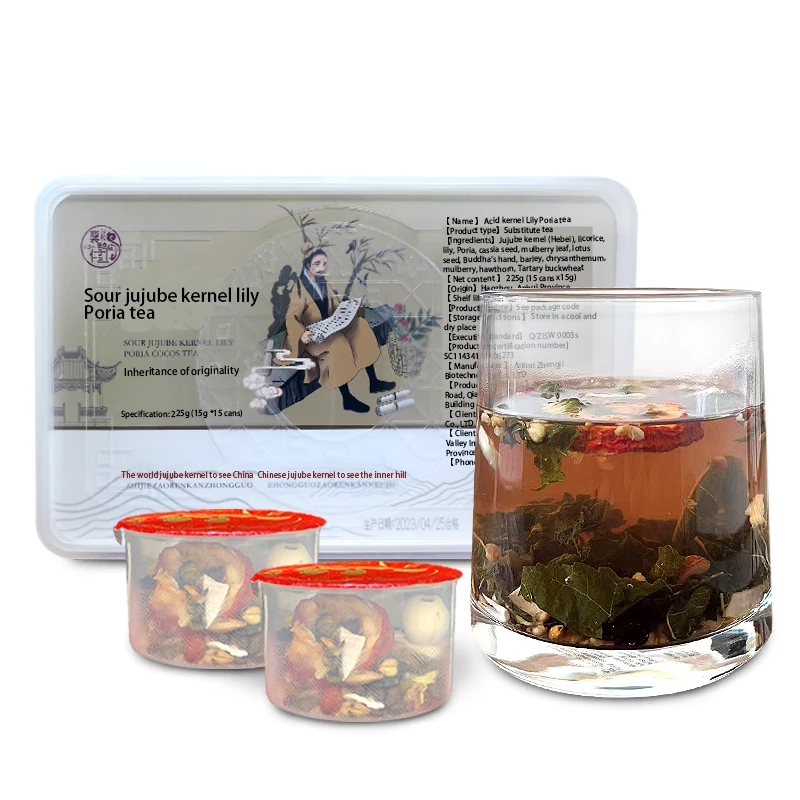
Sourcing high-quality ingredients is crucial for creating the most flavorful and beneficial Daechu Saenggangcha. Dried jujube dates and ginger can be found at Korean grocery stores, Asian markets, and online retailers like ZGXQR. Look for dates that are plump and have a rich, reddish-brown color. Fresh ginger should be firm and have a fragrant aroma. Choosing organic ingredients ensures a purer and more wholesome tea.
Conclusion: Embrace the Tradition of 대추 생강차
Daechu Saenggangcha offers a delightful and healthful experience steeped in Korean tradition. From its historical roots to its numerous health benefits, this tea continues to be a cherished beverage for generations. Whether you prepare it traditionally or opt for a modern approach, incorporating this tea into your routine is a simple yet effective way to embrace wellness and connect with Korean culture.
Frequently Asked Questions (FAQs)
Can I use fresh jujube dates instead of dried ones?
While you can use fresh jujube dates, dried dates are traditionally used because they concentrate the flavor and nutrients. If using fresh dates, you'll need to use a larger quantity and simmer for a longer period to achieve a similar intensity. Also, be aware that fresh dates may have a slightly different taste profile than dried dates. Dried dates are generally more readily available and easier to store.
Is 대추 생강차 safe to drink during pregnancy?
While generally considered safe, pregnant women should consume Daechu Saenggangcha in moderation. Ginger has warming properties that may not be suitable for everyone during pregnancy. It's always best to consult with a healthcare professional before consuming herbal remedies during pregnancy to ensure it's safe for both mother and baby.
How should I store leftover 대추 생강차?
Leftover Daechu Saenggangcha can be stored in an airtight container in the refrigerator for up to 3-4 days. The flavor may become more concentrated over time. You can reheat it gently on the stovetop or in the microwave before consuming. It's also possible to freeze the tea in ice cube trays for convenient use in future drinks.
Can I add other ingredients to my 대추 생강차?
Absolutely! Many people enjoy experimenting with additional ingredients. Common additions include cinnamon sticks, dried citrus peels, and a touch of honey or brown sugar for sweetness. Some also add a small amount of pine nuts or chestnuts for extra flavor and texture. Feel free to adjust the ingredients to your liking and create your own unique blend.
-
Discovering the Rich Tradition of Daechu Hangukcha Korean Jujube TeaNewsJan.27,2026
-
Oyasumi Sleep Tea: Natural Sleep Aid ReviewNewsJan.26,2026
-
Night Sleep Tea for Business WellnessNewsJan.26,2026
-
Industrial Roller Conveyors - ZGXQR ReviewNewsJan.25,2026
-
Herbal Teas for Sleep: Find Your CalmNewsJan.24,2026