Herbal Detox Foot Soak: Natural Healing & Relaxation for Your Feet | Wellness Essentials
Understanding Herbal Detox Foot Soak: A Natural Path to Wellness
There’s been growing chatter about the herbal detox foot soak in wellness circles and beyond, and for good reason. It’s not just some quaint spa fad but a practice that taps into our innate craving for natural methods to support well-being. Globally, as chronic stress, pollution, and health concerns rise, people are turning to gentle, plant-based remedies that offer both comfort and tangible benefits.
Understanding this soak's potential sheds light not only on personal health choices but also on how industries — from herbal suppliers to wellness centers — are adapting to meet rising demand. Let’s explore why this small ritual has found such a big place on the global wellness map.
Why Herbal Detox Foot Soaks Matter Worldwide
Global health statistics from the World Health Organization suggest that nearly 80% of the population in many countries still relies on traditional or complementary medicine (WHO, 2019). Herbal detox foot soaks fit this trend perfectly, offering an accessible and affordable way to support detoxification and stress relief.
Pollution, sedentary lifestyles, and chemical exposure are pressing challenges affecting millions, creating a need for safe, relaxing, and natural interventions. Herbal foot soaks have thus emerged not just in spas but in communities, healthcare adjuncts, and even humanitarian programs where holistic support is needed.
So, What Exactly Is an Herbal Detox Foot Soak?
Simply put, it’s a warm foot bath infused with carefully selected herbs designed to gently draw out toxins, stimulate blood flow, and soothe the nervous system. Traditionally, ingredients such as chamomile, lavender, and ginger are combined with mineral salts, but modern blends might include innovative herbs tailored to specific needs.
While the science on “detoxification” remains complex and sometimes debated, many people report enhanced relaxation, reduced foot fatigue, and a refreshing sense of balance after their soak. In healthcare and wellness sectors, these soaks are gaining recognition for their complementary role in holistic care programs.
Core Components of an Effective Herbal Detox Foot Soak
- Herbal Blend: The primary driver for benefits, herbs like neem, eucalyptus, or turmeric offer antimicrobial and anti-inflammatory effects.
- Water Temperature: Warm water (typically 38-40°C) maximizes blood circulation and promotes absorption of active compounds.
- Mineral Salts: Salts such as Epsom or sea salt provide magnesium and sulfates which support muscle relaxation.
- Duration: Soaking for 15-30 minutes is generally optimal to balance effect and comfort.
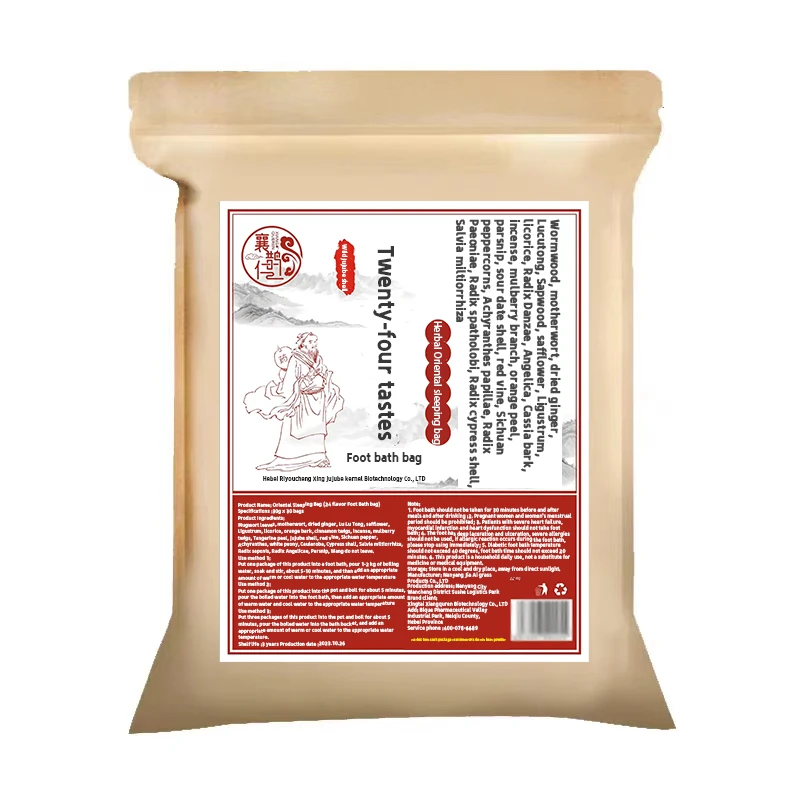
- Packaging & Delivery: Herbal detox sets often come as easy-to-use sachets, aligning with consumer convenience.
Each factor is like a cog in a well-oiled machine: you can’t skimp on one without losing the overall benefit.
Mini Takeaway:
The perfect soak blends traditional herbs, optimal temperature, and minerals, setting the stage for a natural, relaxing experience.
Global Uses and Real-World Applications for Herbal Detox Foot Soaks
From bustling urban wellness spas in the US and Europe to traditional Eastern medicine clinics across Asia, herbal detox foot soaks have universal appeal. They’re used for:
- Post-workfoot recovery: Athletes and busy professionals alike use them to soothe tired feet.
- Stress relief: Mental health programs integrate these soaks for a sensory, grounding experience.
- Alternative medicine practices: Traditional healers recommend them to support immune function and circulation.
- Community health initiatives: Non-profits in developing regions employ herbal soaks to promote hygiene and wellness using locally sourced herbs.
In Japan, for example, foot baths in onsens often incorporate herbal blends, showing centuries-old roots. Meanwhile, Western wellness centers innovate with bioactive botanicals and modern delivery formats.
Mini Takeaway:
Whether for recovery, relaxation, or healthcare adjuncts, herbal foot soaks have proven adaptable across cultures and sectors.
Advantages & Long-Term Value of Herbal Detox Foot Soaks
There are tangible benefits beyond the immediate feeling of refreshment:
- Cost-effective: Compared to invasive detox methods, foot soaks are affordable and require minimal equipment.
- Sustainability: Reliance on natural herbs supports environmentally friendly sourcing, although it depends on responsible harvesting.
- Social impact: Local sourcing promotes agricultural communities and preserves traditional knowledge.
- Safety and ease: Non-invasive and simple, herbal soaks suit all ages with minimal contraindications.
On an emotional level, users report a sense of regained calm, control over personal health, and the comfort of ritual — things that matter deeply in today’s frenetic lifestyles.
Product Specification Table – Typical Herbal Detox Foot Soak Kit
| Specification | Details |
|---|---|
| Herbal Ingredients | Chamomile, Lavender, Eucalyptus, Ginger, Neem |
| Salt Base | Epsom Salt and Sea Salt blend |
| Packaging | 10 Sachets per box, biodegradable material |
| Recommended Soak Time | 20 minutes at 39-40°C |
| Shelf Life | 24 months |
Comparison of Leading Herbal Detox Foot Soak Vendors
| Vendor | Herbal Quality | Price per Box | Certifications | Sustainability |
|---|---|---|---|---|
| GreenLeaf Naturals | Organic USDA Certified | $25.00 | USDA Organic, FDA Registered | Fair Trade verified |
| Herbal Haven | Wild-harvested | $22.50 | ISO 9001 Certified | Locally sourced |
| Pure Roots | Blend of Organic & Conventional | $20.00 | GMP Certified | Partial sustainability program |
What’s Next? Trends Shaping Herbal Detox Foot Soaks
Innovation is quietly bubbling beneath this old-school wellness ritual. Manufacturers are now:
- Incorporating biotechnology to enhance herbal extracts' potency and safety.
- Developing eco-friendly, compostable packaging to reduce waste.
- Using smart soak tubs that monitor temperature and soak duration, integrating with wellness apps.
- Experimenting with blends targeted for specific health outcomes — like improved sleep or immune support.
It’s a fascinating time where traditions meet tech, turning self-care into a customizable, precisely targeted experience.
Facing the Hurdles: Challenges & Solutions
Of course, not everything is picture-perfect. Some common issues include:
- Scientific skepticism: The detox claim is often questioned by medical experts for lack of definitive biomarkers.
- Quality consistency: Herbal sourcing and processing can vary widely, affecting effects.
- Accessibility: While popular in some regions, affordability remains a hurdle elsewhere.
Industry experts suggest more rigorous clinical trials and transparent sourcing to build trust. Meanwhile, brands focusing on education and consumer experience appear to be winning hearts.
FAQ: Your Herbal Detox Foot Soak Questions Answered
Q1: How often should I use an herbal detox foot soak for best results?
A: Most recommend 2-3 times per week to maintain benefits without overdoing it. This frequency aids relaxation and supporting circulation while fitting most schedules.
Q2: Can children use herbal detox foot soaks safely?
A: Generally, yes — but it’s best to consult a healthcare provider, especially if the child has allergies or sensitive skin. Mild herbal blends and shorter soak times are advisable.
Q3: Are these soaks effective in eliminating toxins from the body?
A: While the direct removal of toxins via feet isn’t strongly proven, the soaks do help improve circulation and relaxation, which support overall health.
Q4: Can I make my own herbal soak at home?
A: Absolutely! Using dried herbs like chamomile, rosemary, and a pinch of Epsom salts, many DIY recipes are available. Just ensure all ingredients are safe for topical use.
Q5: Where can I purchase quality herbal detox foot soak kits?
A: There are many vendors online and at health stores. Look for certifications like USDA Organic, GMP, or ISO for quality assurance. You might want to explore herbal detox foot soak options from trusted sellers.
Wrapping Up: The Lasting Appeal of Herbal Detox Foot Soaks
Ultimately, the appeal of the herbal detox foot soak is in its blend of simple pleasure and potential health support. As we increasingly seek natural, sustainable wellness options, these soaks provide a comforting bridge between ancient wisdom and modern science.
Whether as part of a personal ritual or incorporated into larger wellness initiatives, their future looks bright. For anyone curious or ready to dive in, explore more at herbal detox foot soak and treat your feet to a moment of calm—they deserve it.
References
- World Health Organization, Traditional, Complementary and Integrative Medicine: who.int
- ISO 9001 Quality Management: iso.org
- Epsom Salt Benefits & Uses — NIH: ods.od.nih.gov
-
Experience Deep Relaxation and Sleep with ชาสมุนไพรราตรีสวัสดิ์NewsApr.16,2026
-
Why ชาสมุนไพรดีสำหรับการนอนหลับ is the Secret to Better RestNewsApr.09,2026
-
ชาดีสำหรับการนอนหลับ A Comprehensive Guide to Herbal Teas for Better SleepNewsApr.07,2026
-
Enjoying Warm Tea at Nightดื่มชาร้อนตอนกลางคืน Benefits and Best PracticesNewsApr.04,2026
-
Achieve Restful Nights with ชานอนหลับสบาย Your Ultimate Sleep GuideNewsMar.31,2026
-
Unlocking Wellness with ชาดีท็อกซ์ A Comprehensive Guide to Detox TeaNewsMar.28,2026