Discover the Benefits and Uses of Ginger Jujube Tea – Global Wellness Blend
The Story Behind Ginger Jujube Tea: More Than Just a Soothing Drink
Ginger jujube tea, although sounding like a simple herbal brew, has become a global quiet champion for health-conscious consumers and wellness industries alike. Why does this earthy, warm beverage matter beyond its smooth, sweet-spicy punch? Well, at its core, it unites centuries of traditional medicine with modern-day needs for natural immunity boosters, digestive aids, and stress relievers. Understanding its benefits taps into global movements toward sustainability, plant-based health, and cultural preservation.
In this article, we’ll delve into what ginger jujube tea really is, where it fits on the world stage, key qualities that have made it popular, and emerging trends shaping its future. Let’s steep in some facts and stories about this unusual yet beloved blend.
Why Ginger Jujube Tea Is Gaining Worldwide Attention
The global herbal tea market was valued around USD 5.1 billion in 2022 and is expected to grow steadily, according to the International Tea Committee, partly fueled by increasing awareness about natural health alternatives. Ginger jujube tea rides this wave. It taps into a few global challenges:
- Rising chronic ailments: With more people facing immunity issues, digestive problems, and stress, herbal blends offering gentle relief are in high demand.
- Shift from synthetic supplements: Consumers prefer food-based or natural remedies, making traditional teas a key player.
- Sustainability concerns: Both ginger and jujube fruits grow well in many climates with modest farming inputs, appealing to eco-conscious producers.
Oddly enough, despite its historical roots in Asia, ginger jujube tea is now embraced across continents — from herbal cafés in Europe to health food stores in North America.
Mini takeaway: Ginger jujube tea is part of a larger movement combining ancient wisdom and modern needs, making it increasingly relevant globally.
What Exactly Is Ginger Jujube Tea?
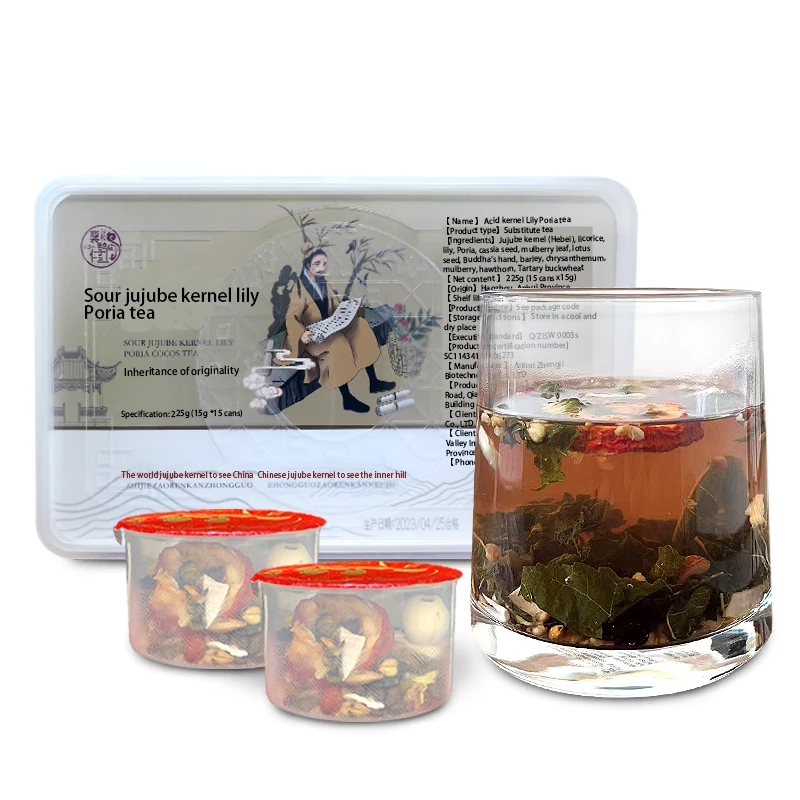
At its simplest, ginger jujube tea is a hot infusion made from two main ingredients: fresh or dried ginger root and jujube fruit (sometimes called red dates). Ginger lends a warming, spicy kick, while jujube offers a natural sweetness and subtle fruity undertones. Traditionally, it’s been consumed for centuries in East Asia to aid digestion, improve circulation, and soothe anxiety.
This tea crosses over into modern health trends through its rich antioxidants, vitamins (especially vitamin C and B-complex), and minerals like potassium and magnesium. In humanitarian contexts — say, refugee camps or rural clinics — it’s used as an affordable, easy way to boost nutrition and comfort during recovery. And in food-tech, companies are experimenting with powder blends and ready-to-drink (RTD) versions for convenience.
Mini takeaway: Ginger jujube tea blends cultural heritage with practical health benefits, adapting well from humble kitchens to global health initiatives.
Core Attributes That Make Ginger Jujube Tea Stand Out
1. Nutritional Power
Ginger and jujube each pack vitamins and antioxidants that support immunity and digestion. Ginger’s famed for anti-inflammatory compounds like gingerol, while jujube fruits provide polysaccharides linked to energy and stress relief.
2. Flavor Profile & Versatility
The balance of spicy heat and mild sweetness means the tea can be enjoyed plain or customized with honey, lemon, or other herbs. It works hot or cold, which underpins its worldwide adoption.
3. Ease of Preparation
Both ingredients dehydrate well and keep for months, ideal for long-term storage. Brewing involves simple boiling water, making it accessible even in resource-limited settings.
4. Sustainability & Local Sourcing
Jujube trees grow in arid and semi-arid regions, needing relatively little water. Ginger cultivation thrives in tropical climates with low chemical inputs. This reduces environmental footprints and promotes local economies.
5. Adaptability for Product Innovation
This tea serves as a base for new product lines — powders, extracts, bottled teas — showing flexibility and commercial appeal.
Mini takeaway:
Ginger jujube tea’s core qualities combine health, taste, simplicity, and sustainability — a rare blend that explains its growing market presence.
Ginger Jujube Tea Around the World: Use Cases & Practical Applications
Real-world examples of ginger jujube tea’s role span both traditional and modern contexts:
- In Asia: A staple morning tonic and calming evening ritual for generations, still widely served in households and herbal clinics.
- Healthcare settings: NGOs in rural China and Vietnam distribute it as part of nutrition support packages, especially for elderly populations.
- Western wellness markets: Specialty cafés and health stores stock ginger jujube blends to cater to consumers seeking natural immunity boosters.
- Corporate wellness: Some companies integrate it into workplace refreshment programs aimed at reducing stress and enhancing focus.
Oddly enough, post-disaster relief agencies have even explored it for mild gastrointestinal and hydration support when resources are limited, leveraging its nutritional density without complex supply chains.
Advantages & Long-Term Benefits
The advantages stretch across health, economics, and emotional well-being:
- Cost-effective nutrition: The ingredients are generally inexpensive, making this brew affordable at scale.
- Sustainable farming: Unlike many commercial crops, ginger and jujube have relatively low environmental impacts.
- Trust & tradition: Many people find comfort in a drink that connects them culturally and physically to their ancestry.
- Wellbeing boosts: Drinking this tea regularly is linked to improved digestion, reduced stress, and an overall feeling of vitality.
On a more emotional note, it feels like a gentle hug after a long day — the kind of small ritual that quietly supports mental health over time.
What’s Next? Innovations & Trends in Ginger Jujube Tea
The future looks interesting, with trends such as:
- Enhanced extraction technologies to boost nutrient availability in powdered and RTD products.
- Organic and fair-trade certifications gaining traction for ethically minded consumers.
- Functional blends combining ginger jujube with other botanicals like turmeric or chamomile.
- Smart packaging preserving freshness and reducing waste, aligned with eco-conscious buyers.
The tea’s simplicity actually invites all kinds of modern twists, from wearable health trackers that sync tea intake with hydration levels, to automated kiosks vending personalized blends.
Challenges: What Holds Ginger Jujube Tea Back? And How to Fix It
Despite all this promise, there are some bumps on the road:
- Supply chain consistency: Weather and farming practices can cause variation in jujube quality.
- Awareness & education: Outside Asia, many consumers don’t yet know what ginger jujube tea is or why to try it.
- Flavor acceptance: The spicy-sweet combo isn’t for everyone at first sip.
Solutions include better farmer support programs, consumer education campaigns, and product development aimed at smoother flavor profiles or value-added convenience.
Frequently Asked Questions About Ginger Jujube Tea
- Is ginger jujube tea safe for children and pregnant women?
- Generally, yes. Both ginger and jujube are natural ingredients known for gentle effects. However, pregnant women should consult healthcare providers before consuming herbal teas regularly.
- How long can you store ginger jujube tea ingredients?
- Dried ginger and jujube fruits can last up to 12 months if kept airtight in a cool, dry place. This shelf-life helps with bulk buying and emergency stockpiling.
- Can ginger jujube tea help with cold symptoms?
- Many traditional systems recommend it for easing cold-related congestion and soothing sore throats. Its natural antioxidants may also support immune defense.
- Where can I buy authentic ginger jujube tea?
- Look for reputable herbal shops or online vendors specializing in Asian teas to ensure quality. Sometimes loose-leaf or dehydrated blends work best for freshness.
Quick Reference Product Specification
| Specification | Typical Range |
|---|---|
| Main Ingredients | Dried Ginger Root, Dried Jujube Fruit |
| Shelf Life | 10–12 months (airtight, cool, dry) |
| Preparation | Boil 2-3 tsp per cup, steep 10-15 mins |
| Calories (per cup) | 15–25 kcal (unsweetened) |
| Flavor Notes | Spicy, sweet, slightly fruity |
| Organic Availability | Yes, increasingly common |
Comparing Top Ginger Jujube Tea Vendors
| Vendor | Origin | Product Form | Certifications | Price Range (per 100g) |
|---|---|---|---|---|
| Pure Roots Herbal | China (Shaanxi) | Loose leaf blend | Organic, Fair Trade | $15 - $18 |
| East Herb Co. | Korea | Powdered instant | ISO 22000 | $20 - $25 |
| Nature’s Charm | Vietnam | Dried fruit & root slices | Organic | $12 - $17 |
| Herbal Oasis | USA (imported) | Bagged loose leaf | USDA Organic | $18 - $22 |
If you want to explore the fascinating world of ginger jujube tea further, check out our selection at ginger jujube tea – a source of quality and tradition combined.
Final Thoughts
Ginger jujube tea isn’t just another cup of hot water with herbs—it’s a blend steeped in meaning, health benefits, and global relevance. Its growing appeal stems from universals we all appreciate: warmth, comfort, natural healing, and sustainability. Sure, there are challenges ahead, but with innovation and education, this humble tea could become a staple for worldwide wellbeing.
So, next time you brew a cup, remember—it’s part history, part science, part culture, and all goodness.
References
-
Experience Deep Relaxation and Sleep with ชาสมุนไพรราตรีสวัสดิ์NewsApr.16,2026
-
Why ชาสมุนไพรดีสำหรับการนอนหลับ is the Secret to Better RestNewsApr.09,2026
-
ชาดีสำหรับการนอนหลับ A Comprehensive Guide to Herbal Teas for Better SleepNewsApr.07,2026
-
Enjoying Warm Tea at Nightดื่มชาร้อนตอนกลางคืน Benefits and Best PracticesNewsApr.04,2026
-
Achieve Restful Nights with ชานอนหลับสบาย Your Ultimate Sleep GuideNewsMar.31,2026
-
Unlocking Wellness with ชาดีท็อกซ์ A Comprehensive Guide to Detox TeaNewsMar.28,2026