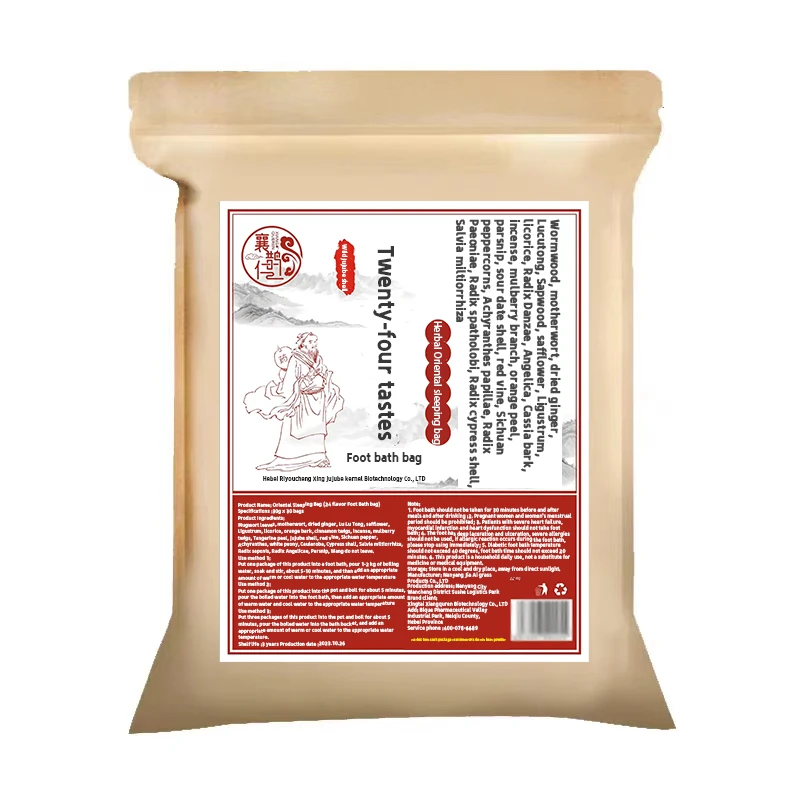
Discover the Benefits & Uses of Fulvic Acid Foot Soak for Natural Wellness
Understanding Fulvic Acid Foot Soak: A Natural Wellness Boost Worth Knowing
If you’ve ever stumbled across alternative wellness treatments or natural detox remedies, the term fulvic acid foot soak may have caught your eye. But what exactly is it, and why does it deserve a place in your foot care or detox routine? Fulvic acid foot soaks blend ancient mineral-rich compounds extracted from soil with a modern enthusiasm for natural healing. Globally, as more people seek holistic ways to support their health, these soaks offer a simple yet effective way to unwind, rejuvenate, and support cellular wellness from the feet up.
Understanding this trend is more than just casual curiosity—it intersects with global health trends, organic product development, and sustainable wellness solutions. Let’s explore why this foot soak is bubbling up in popularity and how it might change your approach to self-care.
The Global Context: Why Fulvic Acid Foot Soak Matters Today
In recent years, the wellness industry has grown into a formidable force, reaching a global valuation in the hundreds of billions of dollars. According to a 2022 report by the Global Wellness Institute, natural and eco-friendly health solutions are among the fastest-growing segments. Fulvic acid foot soaks tap into a need that’s both ancient and very modern: reconnecting to natural elements while addressing modern problems like stress, toxin exposure, and skin health.
Considering worldwide concerns about environmental pollution, increased sedentary lifestyles, and a craving for natural alternatives, the fulvic acid foot soak sits neatly at the crossroads of these issues. The United Nations Environmental Programme highlights how natural minerals can contribute to health-supportive products, pushing renewed interest in mineral supplements and topical applications. Frankly, it’s a small foot bath with a big potential impact.
Mini Takeaway:
- Fulvic acid foot soak capitalizes on global wellness trends.
- It addresses issues related to environmental toxins and skin health.
- Its rise reflects increasing demand for natural, sustainable self-care.
What Is Fulvic Acid Foot Soak, Exactly?
Simply put, a fulvic acid foot soak is a therapeutic treatment where your feet are immersed in water infused with fulvic acid—a complex organic acid found in humus and soil. It’s known for its rich mineral content and antioxidant properties. When used in foot soaks, fulvic acid can help support skin hydration, encourage detox pathways through the skin, and stimulate circulation.
From a modern perspective, fulvic acid is caught between traditional herbal medicine and cutting-edge biochemistry. It’s a naturally occurring compound, but with growing evidence supporting its ability to enhance nutrient absorption, neutralize oxidative stress, and support cellular repair. For humanitarian and industrial contexts, such natural compounds are prized for their low environmental impact and accessibility.
Key Factors of Fulvic Acid Foot Soaks
1. Rich Mineral Composition
Fulvic acid acts like a natural chelator—it binds with essential minerals like magnesium, potassium, and trace elements, delivering them through the skin during the soak.
2. Antioxidant Effects
It neutralizes free radicals, reducing oxidative damage to tissues—a benefit often touted for anti-aging and skin repair.
3. Skin Hydration & Detox
Many users report improved skin softness. Its ability to influence cellular ion exchange might facilitate toxin removal, though research is ongoing.
4. Easy Application and Accessibility
Unlike many supplements, the foot soak is non-invasive, simple to prepare, and safe for most users.
5. Compatibility with Other Wellness Practices
Fulvic acid foot soaks integrate easily with massage, aromatherapy, or even reflexology sessions.
Mini Takeaway:
- The soak combines mineral nutrition, antioxidants, and skin benefits.
- It's user-friendly and complements other therapies well.
Global Applications & Use Cases of Fulvic Acid Foot Soaks
Where do we see these soaks in action? Quite everywhere, surprisingly. Wellness spas in Europe and North America often adopt fulvic acid foot soaks as part of detox packages. In Asia, especially China and Japan, their use aligns with larger traditions of mineral baths and herbal foot therapies.
Industrial workers in mining or manufacturing sometimes use fulvic acid soaks post-shift to soothe tired feet and possibly to aid mild detoxification. Humanitarian organizations are exploring mobile foot soak kits to provide natural skin care and minor relief in remote or disaster-hit areas, where pharmaceutical treatments might be inaccessible.
For instance, a rural health clinic in India reported participants feeling reduced inflammation and fatigue after integrating fulvic acid foot soaks into community wellness programs. Oddly enough, it’s often the “simple, overlooked” therapies that create the biggest smiles—and sometimes modest, practical impacts.
Advantages & Long-Term Value of Using Fulvic Acid Foot Soaks
- Cost-Effective Wellness: Compared to many spa treatments or supplements, a fulvic acid foot soak is affordable.
- Sustainability: Derived from natural sources with minimal processing, it’s an eco-friendly option.
- Safe & Non-Invasive: Low risk of side effects encourages repeated use.
- Emotional Comfort: The ritual of a soak can enhance relaxation and mental wellbeing—something often underestimated.
Many users speak to a feeling of trust and groundedness after these soaks—like a gentle detox both physically and mentally—which is worth something in today's fast, often disconnected world.
Product Specification Table
| Specification | Details |
|---|---|
| Active Ingredient | Fulvic Acid (60-80% concentration) |
| Mineral Content | Magnesium, Potassium, Iron, Zinc (trace elements) |
| pH Range | Approximately 4.0-5.5 |
| Recommended Soak Time | 15-30 minutes |
| Usage Frequency | 3-4 times per week for maintenance |
Comparing Top Vendors of Fulvic Acid Foot Soak Products
| Vendor | Fulvic Acid Concentration | Source | Price per Pack | Certifications |
|---|---|---|---|---|
| NatureGlow Essentials | 75% | Humic soil - Colorado, USA | $25 (100g) | ISO 9001, Organic Certified |
| PureFulvic Naturals | 80% | India, Himalayan foothills | $27 (100g) | Ecocert, GMP |
| EarthEssence Co. | 65% | Germany, Black Forest | $22 (100g) | ISO 14001, Vegan Certified |
Looking Ahead: Future Trends & Innovations in Fulvic Acid Foot Soaks
Goodness, if you thought this was a static remedy, think again. Research is pushing towards nano-formulated fulvic acid for higher absorption. There's also a growing fusion with digital wellness — “smart foot soaks,” equipped with temperature and mineral sensors, aim to customize every session based on personal health data.
Sustainability features heavily in new product development, with extraction methods becoming greener and packaging shifting to biodegradable compostable materials. The trend to blend fulvic acid with botanical extracts, essential oils, and even probiotics makes these soaks a veritable cocktail of wellness innovation.
Overcoming Challenges in Fulvic Acid Foot Soak Use
Of course, it’s not all smooth sailing. One challenge is inconsistency in fulvic acid concentration—without proper certification, some products vary widely, leaving consumers disappointed. On the regulatory front, claims around detox need clearer scientific backing to avoid misinformation.
Solutions come through tighter quality control, third-party lab testing, and industry standards. Education campaigns that link scientific evidence with user experiences also boost consumer trust. Many experts advocate combining foot soaks with other health practices for maximum benefit rather than relying on it as a standalone cure.
FAQ: Frequently Asked Questions About Fulvic Acid Foot Soaks
Q1: How often should I use a fulvic acid foot soak for best results?
A1: Generally, soaking your feet 3-4 times per week for 15-30 minutes is recommended for maintenance of skin hydration and mild detox benefits. However, some users increase frequency temporarily for enhanced relaxation. Always listen to your body’s response.
Q2: Can fulvic acid foot soaks help with swollen or tired feet?
A2: Many users report relief from swelling and fatigue after a soak, likely due to improved circulation and mineral absorption. While not a substitute for medical treatment, it offers a soothing supportive therapy.
Q3: Are these soaks safe for people with sensitive skin?
A3: Typically, yes, since fulvic acid is natural and gentle. However, some people with very sensitive or broken skin should perform a patch test first or consult with a healthcare provider.
Q4: Is fulvic acid foot soak an effective detox method?
A4: While scientific evidence on “detox” claims is still developing, fulvic acid does support antioxidant activity and mineral balance which can aid cellular health. The process should be viewed as supportive rather than a standalone detox solution.
Q5: How can I buy a safe and genuine fulvic acid foot soak product?
A5: Look for vendors that provide third-party certifications such as ISO, Ecocert, or GMP. Check concentration percentages and opt for products sourced from reputable natural deposits. Reviews and transparent lab reports enhance confidence.
Final Thoughts
In an age where quick fixes often dominate self-care conversations, the humble fulvic acid foot soak reminds us that wellness can be both simple and profound. Through rich mineral nourishment, antioxidant support, and a calming ritual, it's a small, accessible tool with broad appeal.
Whether you’re a health enthusiast, a spa owner, or someone curious about natural wellness, adding fulvic acid foot soaks to your repertoire might just be the step your feet—and perhaps your spirit—have been waiting for.
For those interested in exploring more about this natural therapy or finding high-quality products, don’t hesitate to visit our comprehensive resource at https://www.zgxqr.com.
References
-
Discovering the Rich Tradition of Daechu Hangukcha Korean Jujube TeaNewsJan.27,2026
-
Discover the Wellness Benefits of Traditional Korean Daechu Saenggangcha TeaNewsJan.27,2026
-
Oyasumi Sleep Tea: Natural Sleep Aid ReviewNewsJan.26,2026
-
Night Sleep Tea for Business WellnessNewsJan.26,2026
-
Industrial Roller Conveyors - ZGXQR ReviewNewsJan.25,2026
-
Herbal Teas for Sleep: Find Your CalmNewsJan.24,2026