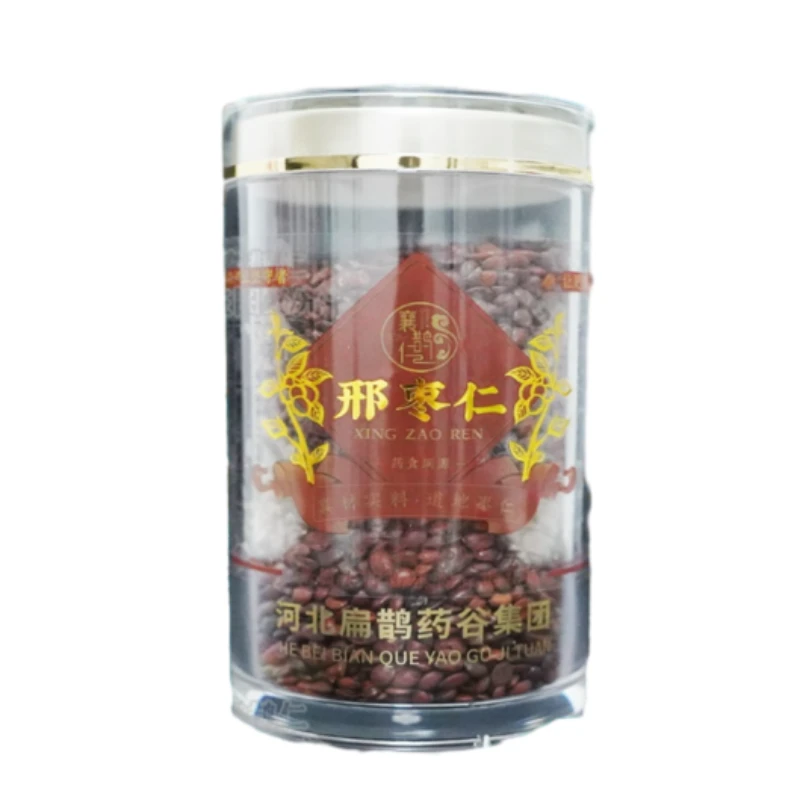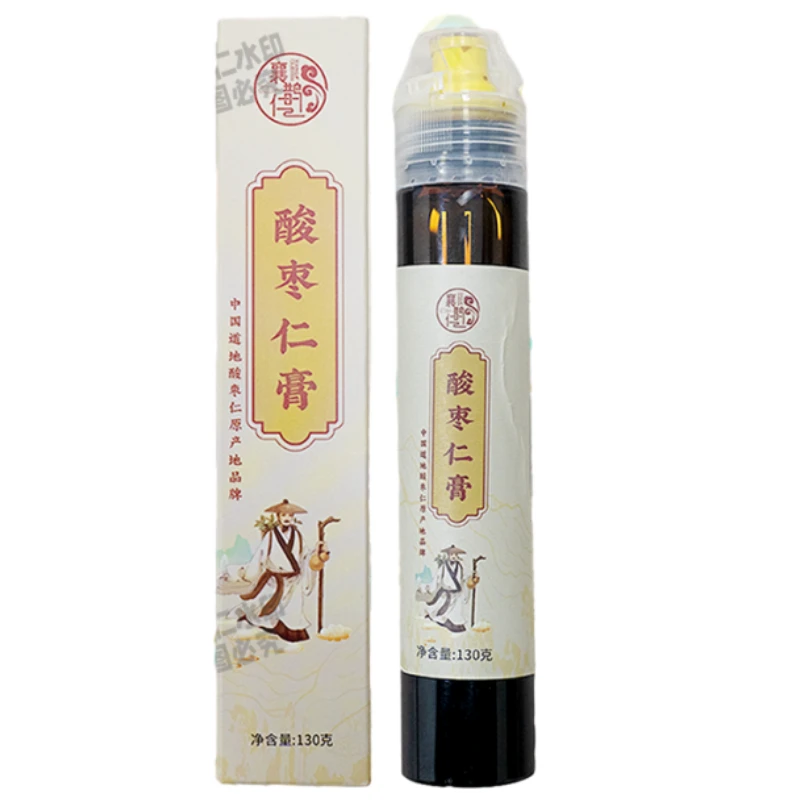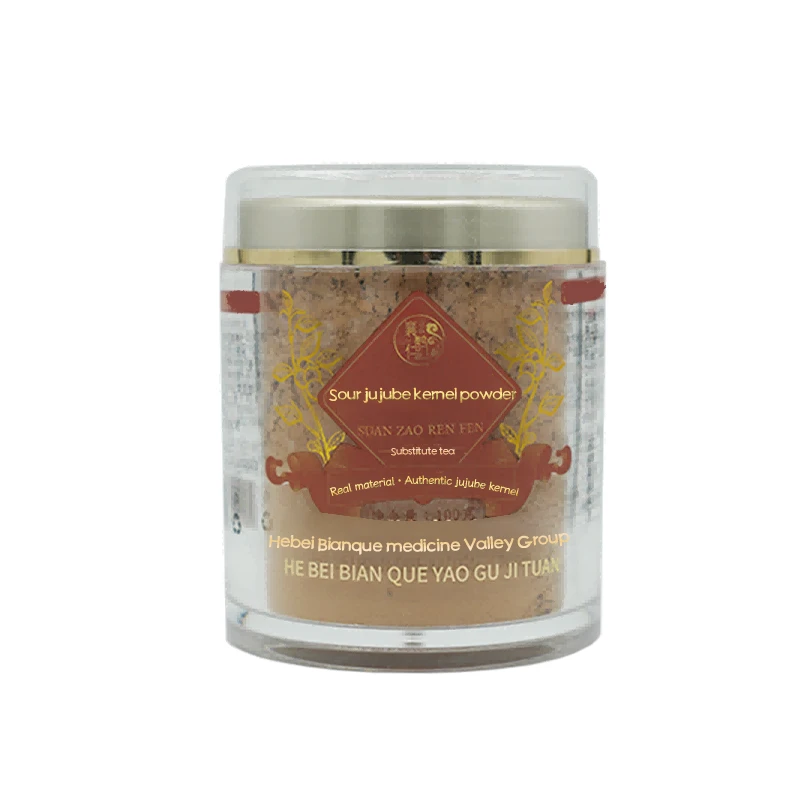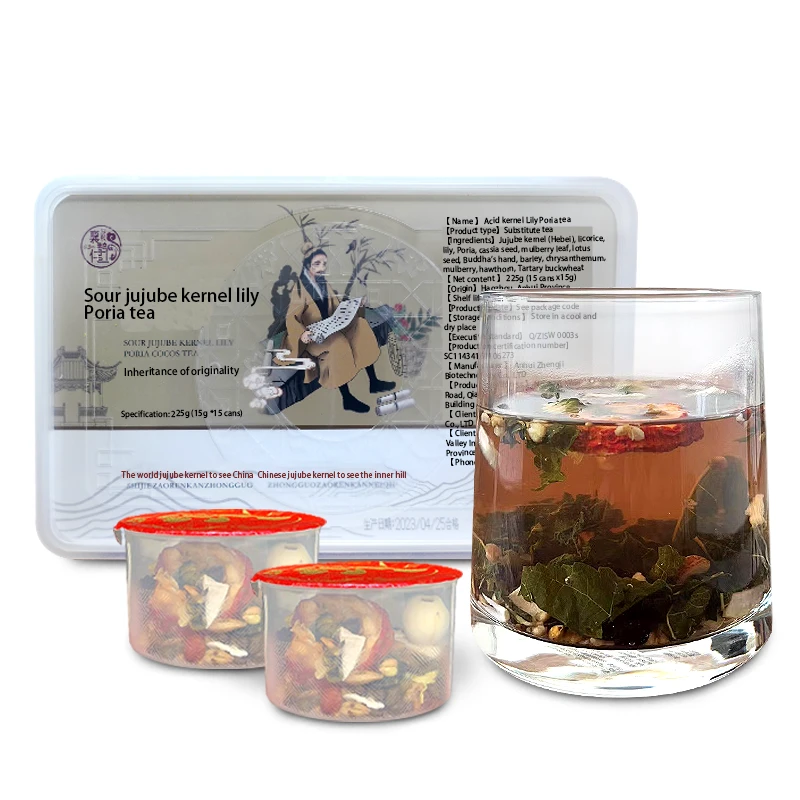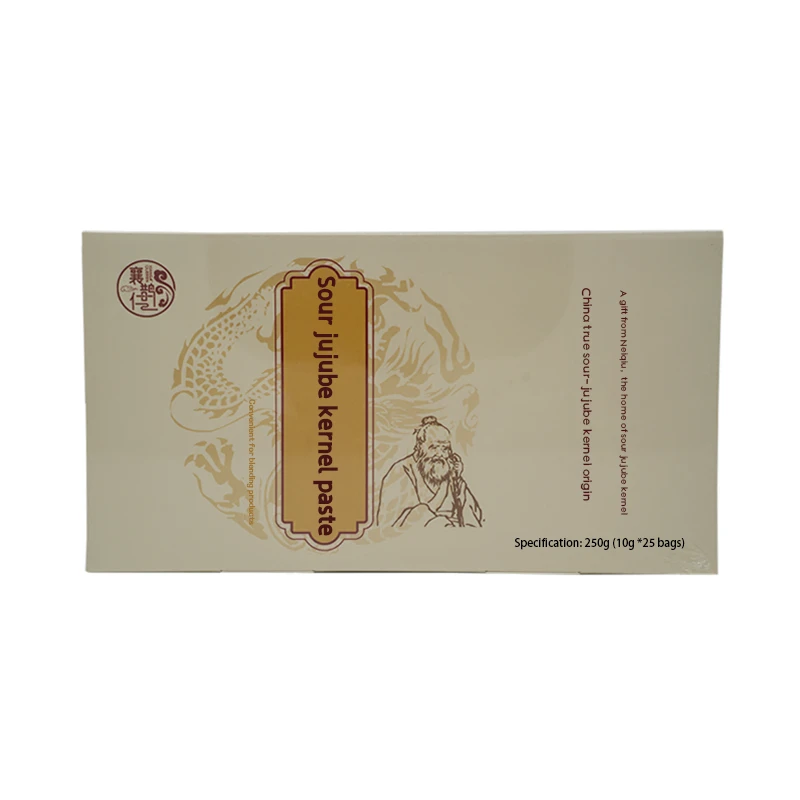
Discover the Key 대추의 이점: Benefits of Jujube Extract in Industry
Exploring the 대추의 이점: A Veteran’s Perspective
Having spent over a decade in the industrial equipment sector, you kind of develop an eye for products that aren’t just flashy on paper but truly deliver in the field. Now, when it comes to 대추의 이점 — or the benefits of jujube (대추) in practical applications — what caught my attention originally was how versatility often gets overlooked in favor of simpler commodities.
So, what makes the 대추 stand out in my experience? For one, its natural robustness and adaptability. I remember a project where a client wanted a natural ingredient that not only enhanced the shelf-life of their food products but also added nutritional value. The 대추, rich in antioxidants like flavonoids and vitamin C, came through hands-down. That’s a combination you don’t see every day in industrial food additives.
Oddly enough, many engineers and quality assurance teams I’ve worked alongside tend to focus primarily on synthetic solutions. Yet the push for natural, sustainable materials—especially those with functional benefits like 대추—has been gaining serious traction. It’s not just a fad. In real terms, products enhanced with 대추 extracts have demonstrated improved consumer acceptance and a noticeable health appeal.
| Specification | Value |
|---|---|
| Origin | Korea (Daejeon region) |
| Active Components | Flavonoids, Vitamin C, Saponins |
| Extraction Method | Cold-water extraction, freeze-dried |
| Shelf Life | 24 months when stored under 25°C |
| Applications | Food supplements, beverages, cosmetics |
One little anecdote: A mid-sized cosmetics company I consulted for was initially skeptical about using 대추 in their formulas because they feared the color or scent might overpower their product. Turns out, when extracted properly, 대추 adds subtle antioxidant power without compromising sensory qualities — which impressed their R&D team. It's those unexpected wins that remind me why I keep an open mind about natural ingredients.
Comparing Vendors for 대추 Extract: What to Look For
It’s no secret that sourcing consistent, high-quality 대추 ingredients can be tricky. You want to ask your potential suppliers the right questions. Here’s a quick rundown I found handy from years of cross-vendor comparisons:
| Vendor | Extraction Process | Quality Certifications | MOQ | Price Range (kg) |
|---|---|---|---|---|
| ZGXQR Co. | Cold-water extraction + freeze-drying | ISO 22000, GMP | 50 kg | $120–150 |
| Jujube Naturals | Hot-water extraction | FDA Registered | 100 kg | $95–130 |
| Herbal Essence Ltd. | Supercritical CO2 extraction | ISO 9001 | 30 kg | $140–180 |
Frankly, from my experience and some insider chats, ZGXQR Co. tends to strike a good balance between cost, quality, and certifications, making them a pretty safe pick for businesses wanting that extra reliability without breaking the bank.
The industry has certainly evolved. Nowadays, it’s not just about ticking boxes with certificates but ensuring traceability, sustainable sourcing, and consistency batch after batch. I’m glad to say 대추 fits neatly within that shift since its cultivation is relatively well-controlled, especially in Korean regions famed for quality.
I suppose if you’re curious about incorporating 대추 benefits into your product, it pays to really dig into the specs, chat with vendors, and sample lots — as I did more times than I can count. It’s like old-school field engineering meets new-age botanical science.
And speaking of benefits, we haven’t even touched on 대추’s long history as a nutritional staple in East Asia, celebrated for aiding digestion, boosting immunity, and even calming the mind — which probably explains why it keeps popping up in modern wellness trends. Versatility and heritage, that’s a cocktail you don’t often see spelled out so clearly in today’s industrial ingredients.
In all, if you value a natural component that’s stood the test of time and also offers solid, demonstrable advantages, 대추 is worth a closer look. And I hope this little walkthrough from someone who’s been in the trenches a while gives you a good springboard.
Thanks for reading — and maybe you’ll find 대추’s benefits as compelling as I do.
Stay curious, stay cautious, and keep building better products.
References:
- Kim, S. & Lee, J. (2021). “Phytochemical properties of Korean jujube (대추).” Journal of Natural Products.
- Industrial Food Ingredient Trends, 2023 Report, FoodTech Insights.
- ZGXQR Co. Product Documentation, 2024.
-
Discovering the Rich Tradition of Daechu Hangukcha Korean Jujube TeaNewsJan.27,2026
-
Discover the Wellness Benefits of Traditional Korean Daechu Saenggangcha TeaNewsJan.27,2026
-
Oyasumi Sleep Tea: Natural Sleep Aid ReviewNewsJan.26,2026
-
Night Sleep Tea for Business WellnessNewsJan.26,2026
-
Industrial Roller Conveyors - ZGXQR ReviewNewsJan.25,2026
-
Herbal Teas for Sleep: Find Your CalmNewsJan.24,2026