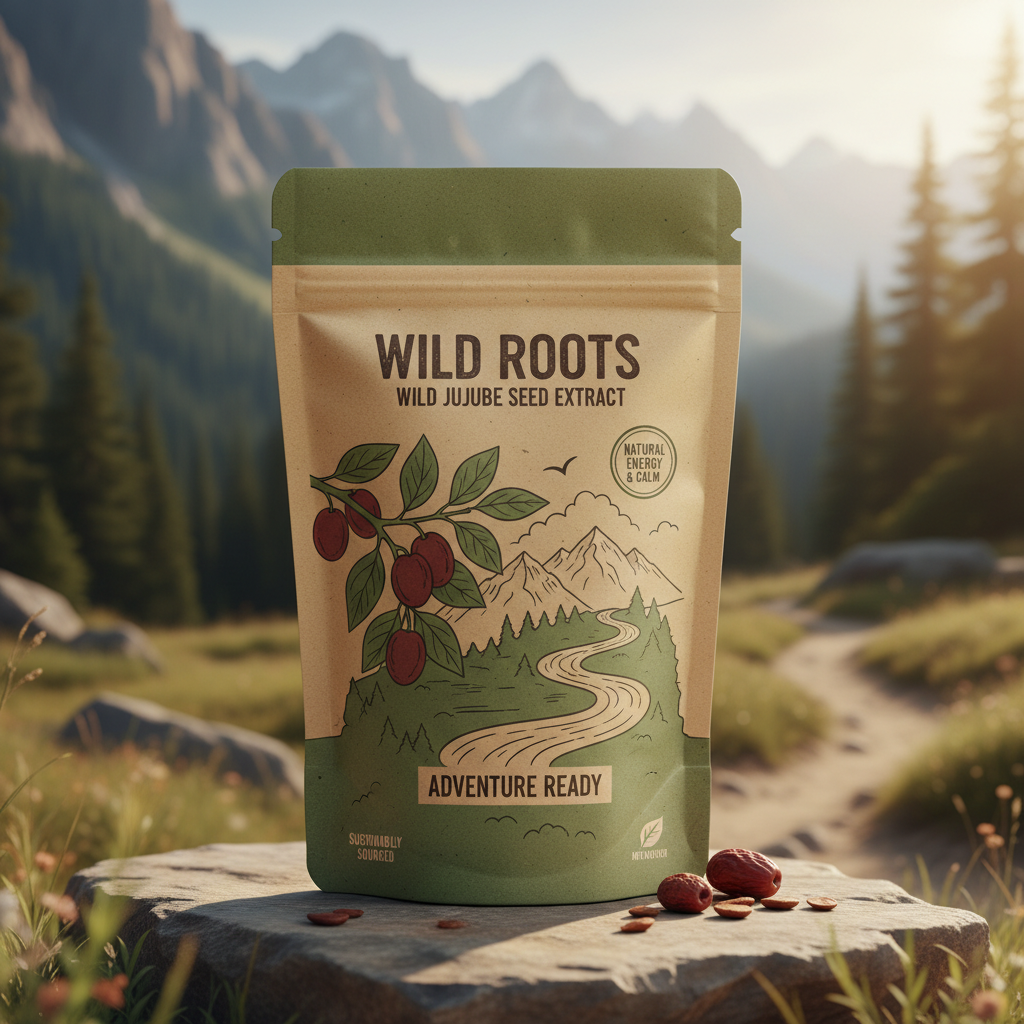
Finding a reliable source for authentic traditional Chinese medicine is a critical challenge for consumers seeking genuine health benefits. When searching for where to buy chinese herbal medicine, the primary goal is to ensure the product's origin, purity, and medicinal potency are preserved through professional processing and ethical sourcing.
The herbal medicine market is currently plagued by a complex environment where low-cost, inferior substitutes often displace high-quality materials. For those seeking specific ingredients like the Sour Jujube Kernel (Suanzaoren), the difference between a wild-harvested authentic seed and a mass-produced imitation can significantly impact the efficacy of sleep-aid and health treatments.
This guide provides a comprehensive framework for evaluating suppliers, understanding the industrial chain from planting to processing, and identifying the markers of genuine medicinal materials to ensure your procurement is safe, effective, and authentic.

1Understanding Authentic Source Identification

Identifying where to buy chinese herbal medicine starts with understanding "Dao Di" (authentic origin) materials. In the context of the Sour Jujube Kernel, the Neiqiu area of the Taihang Mountains is renowned for its unique geographical advantages. The 37° North latitude provides a specific climate and soil composition that optimizes the growth of the Ziziphus jujuba, resulting in seeds with higher active compound concentrations.
The risk of purchasing inferior materials is high in unregulated markets. Many suppliers offer "wild" kernels that are actually grafted or cultivated in suboptimal environments, which lacks the spirit and medicinal strength of naturally grown buds. Professional buyers must verify the planting base's location and the environmental certifications of the region.
A transparent supplier will be able to provide the specific latitude and altitude of their cultivation area, as the natural spirit of the Taihang Mountains is directly linked to the curative effect of the final product, particularly for those dealing with insomnia and sub-health conditions.
2Critical Markers of Quality Herbal Materials
When evaluating the quality of a herbal product, sensory analysis serves as the first line of defense. For high-grade Sour Jujube sprout tea, the aroma should be rich and fragrant immediately upon opening the lid. The color of the brewed soup should be a bright yellow-green, indicating a lack of excessive oxidation or artificial dyes.
Beyond sensory data, chemical purity is paramount. Authentic materials must be free from pesticide residues and heavy metals. This is achieved through strict adherence to planting standards, avoiding grafted trees, and selecting only naturally grown small buds. The difference in active content between a certified origin product and a generic one is often significant.
For consumers, these markers are the only way to distinguish between a product meant for nutrition and one meant for therapeutic support. A high-quality product will maintain its color and potency even after several brewings, demonstrating a high density of natural essences.
3Evaluating the Industrial Supply Chain
A robust industrial chain is the best guarantee of quality. Companies like Hebei Riyoucheng Xingzaoren Biotechnology Co., Ltd implement a whole-chain model: cultivation, processing, storage, and sales. By owning the planting base—covering over 12,000 acres—the company eliminates the risks associated with middle-man procurement and prevents the mixing of inferior batches.
The transition from raw seed to finished product involves critical steps: precise drying in modern drying rooms and temperature-controlled cold storage. These steps prevent the degradation of volatile oils and medicinal components, ensuring that the product delivered to the end consumer is as potent as the raw material at harvest.
Furthermore, the ability to export to markets in South Korea, Japan, and Southeast Asia indicates that the processing standards meet international safety and quality regulations. When deciding where to buy chinese herbal medicine, priority should be given to manufacturers who control their own production warehouses.
4Comparative Analysis of Material Potency
The effectiveness of herbal medicine is directly proportional to the concentration of its active ingredients. In the case of Ziziphus jujuba, the "Xingtai" variety is globally recognized for its curative effects on the nervous system. The comparison between origin-certified kernels and generic market alternatives reveals a stark difference in efficacy and purity.
Quantitative analysis often shows that origin-sourced materials have fewer impurities and a higher percentage of effective saponins and flavonoids. This is why professional healthcare practitioners insist on sourcing from specific geographical indicators rather than buying based on the lowest price point.
where to buy chinese herbal medicine Performance Metrics
As shown in the performance metrics, the integration of a full industrial chain significantly boosts origin traceability and purity levels. This stability is essential for long-term health regimens, as inconsistent potency in generic herbs can lead to unpredictable results in sleep quality and stress management.
5Strategic Procurement Guidelines
For bulk buyers and health-conscious consumers, the procurement process should be based on a set of non-negotiable criteria. First, request the certificate of origin. Second, verify if the supplier operates their own processing facilities or merely repacks materials. Third, examine the shelf-life and storage conditions—authentic Sour Jujube sprout tea typically has an 18-month shelf life when stored in cool, dry conditions.
It is also important to consider the application of the product. Whether you are purchasing a paste, powder, or tea, the processing method must be appropriate for the intended use. For instance, capsule series require higher standardization of extract concentration compared to traditional brewable teas.
Finally, ensure the supplier complies with current advertising and consumer protection laws. Legitimate companies will clearly state that their products are nutritional supplements and not replacements for medical drug treatments, directing severely ill patients to professional hospitals.
6Future Trends in Medicinal Processing
The industry is moving toward "medicinal and food homology," where traditional herbs are integrated into daily dietary habits. This shift is driven by an increase in global stress levels and sleep disorders. The development of deep-processing products, such as oral liquids and tablet series, allows for more precise dosing and easier consumption for white-collar workers and the elderly.
Innovation is also focusing on the "whole industry chain" digitization. Future procurement will likely involve blockchain-based traceability, where a consumer can scan a QR code to see the harvest date and the specific field in Hebei where their herbal medicine was grown.
As global demand for natural sleep aids grows, the focus will shift from simple raw material sales to high-value processed solutions. Companies that maintain their planting bases while investing in laboratory research will set the benchmark for the industry.
7Supplier Selection Matrix
To simplify the decision of where to buy chinese herbal medicine, we have developed a selection matrix. This allows buyers to compare different supplier types based on their risk tolerance and quality requirements. A fully integrated manufacturer always offers the lowest risk regarding authenticity.
When comparing, look for "Key Leading Enterprises" certifications and regional awards, such as those given to agricultural innovation stations. These honors are not just marketing—they represent a level of government and industry oversight that guarantees a minimum standard of quality.
| Supplier Type | Traceability | Quality Control | Price Point |
|---|---|---|---|
| Integrated Manufacturer | Full (Field to Pack) | Strict/Internal | Premium |
| Origin Warehouse | High (Regional) | Moderate | Competitive |
| General Distributor | Low (Third Party) | Variable | Moderate |
| Online Marketplace | Very Low | Unverified | Low/Cheap |
| Local Retailer | Moderate | Manual Check | Variable |
| Import Agent | Moderate | Customs Based | High |
Ultimately, for therapeutic needs, the "Integrated Manufacturer" model is the only way to ensure that the product contains the required active essence of the Sour Jujube kernel without contamination.
Frequently Asked Questions
Conclusion
Securing authentic chinese herbal medicine requires a shift in focus from price to provenance. By prioritizing suppliers with vertically integrated industrial chains—such as those based in the Neiqiu origin region—consumers can ensure they receive materials with the highest medicinal potency and purity.
For those seeking professional-grade Sour Jujube Kernel products and related health solutions, detailed specifications and procurement options can be reviewed at www.zgxqr.com to ensure your health journey is supported by genuine, origin-certified materials.