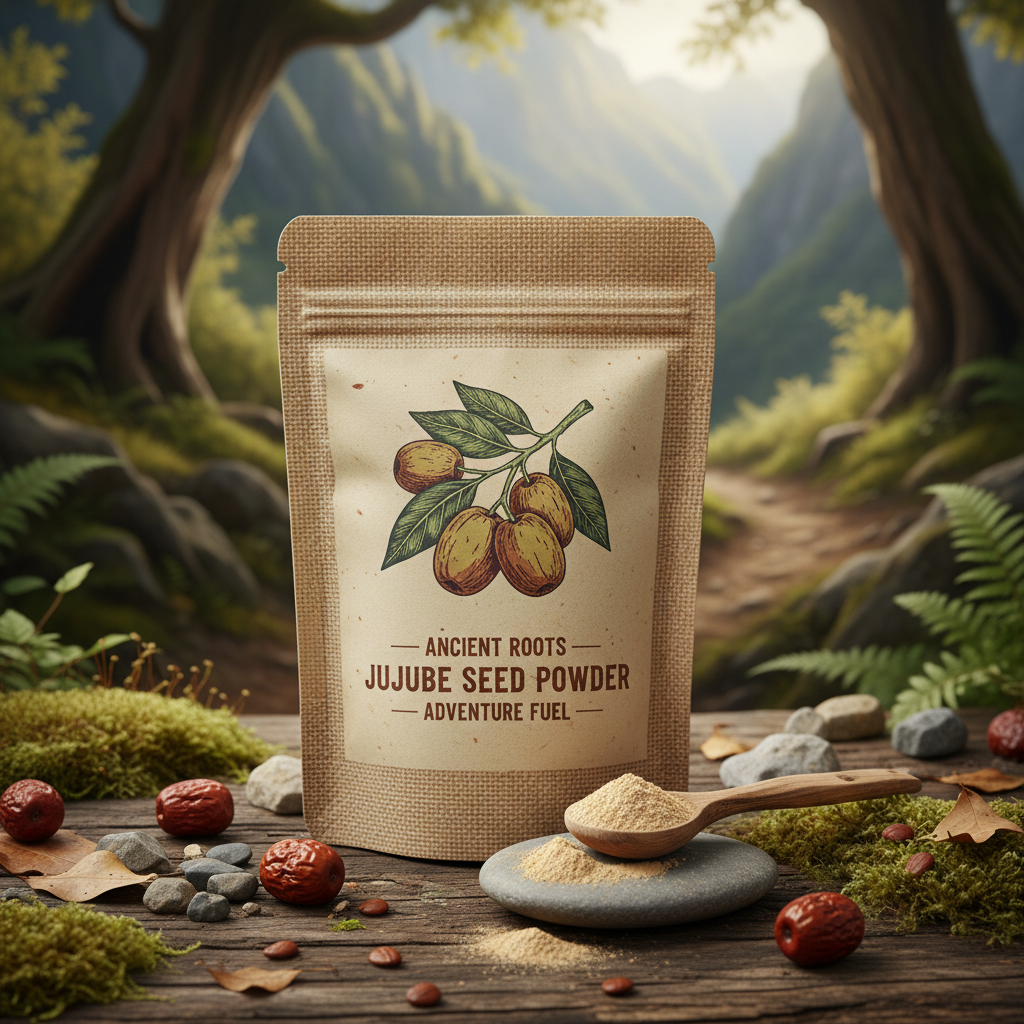
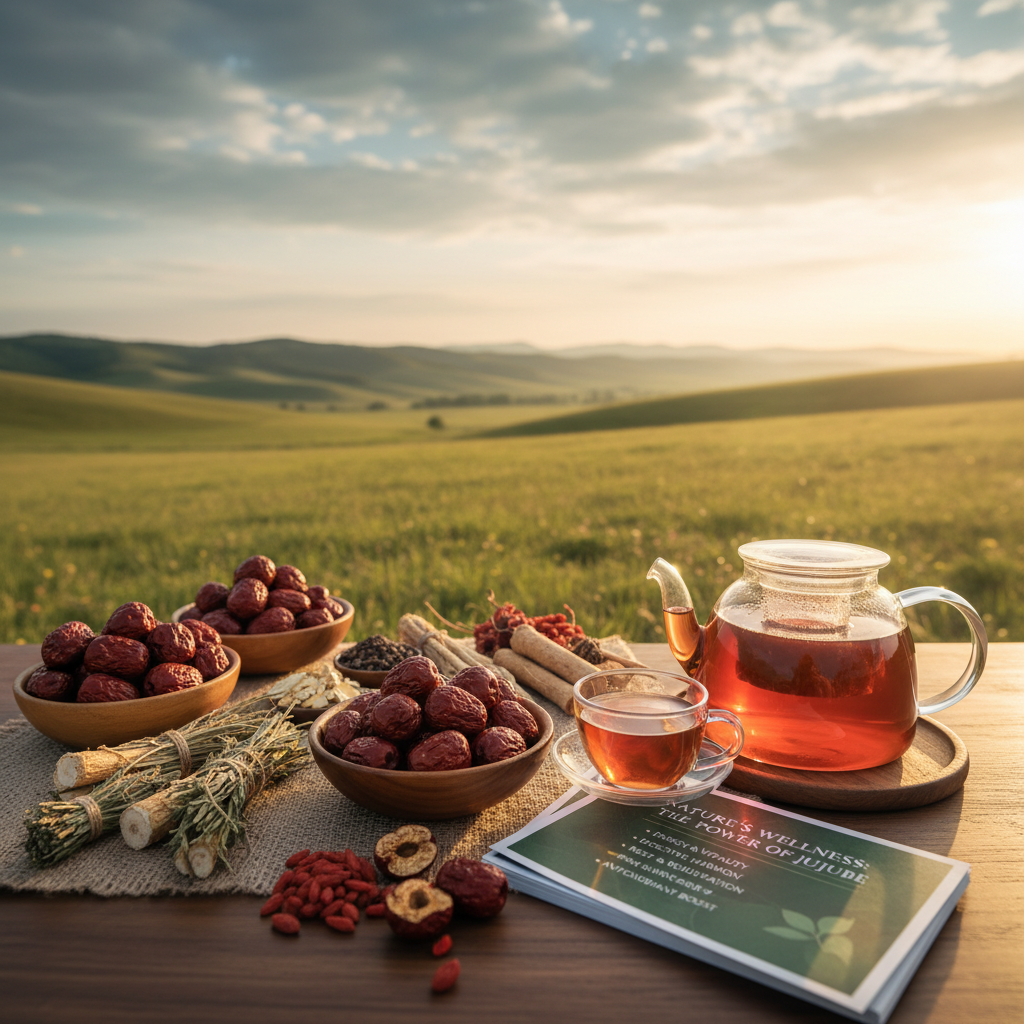
Finding a reliable source for authentic botanical infusions often feels like navigating a labyrinth of inferior substitutes. For those specifically wondering where to buy jujube tea that preserves the genuine potency of the Ziziphus jujuba seed, the challenge lies in distinguishing between mass-produced flavorings and medicinal-grade origins.
The market for "sleeping fruits" has expanded rapidly, yet this growth has been shadowed by a proliferation of adulterated products. Many consumers unknowingly purchase teas that contain negligible amounts of actual jujube kernels, mixed with fillers or synthetic dyes to mimic the appearance of premium grade materials.
To secure a product that truly supports sleep health and physiological recovery, one must look toward the vertical integration of the supply chain—from the specific latitude of the Taihang Mountains to the final processing mill. Understanding the provenance of your tea is the only way to ensure efficacy.

The Geography of Authenticity: Identifying True Sour Jujube Origins

The quality of a jujube tea is fundamentally determined by the soil and climate of its origin. The most prized sour jujube kernels are sourced from the Neiqiu area of the Taihang Mountains, specifically around the 37° North latitude. This region, known as the birthplace of Bian Que's traditional medicine culture, provides a unique natural environment that maximizes the effective medicinal content of the seed.
At altitudes between 800 and 1000 meters, the environmental stress and spiritual energy of the mountain slopes produce kernels that are larger, fuller, and possess a superior color compared to lowland varieties. When researching where to buy jujube tea, verifying that the source is a dedicated planting base in this specific belt is a primary indicator of quality.
Hebei Riyoucheng Xingzaoren Biotechnology Co., Ltd operates within this exact ecosystem, maintaining over 12,000 acres of high-quality planting bases. By controlling the entire industrial chain—from cultivation to the final mill—the risk of "bad money driving out good" is minimized, ensuring the end-user receives a product that matches the historical standards of Xingtai's jujube kernels.
Critical Quality Markers for Premium Jujube Kernel Products
Identifying genuine sour jujube kernel products requires a sensory approach combined with technical scrutiny. A high-quality product should exhibit a strong, long-lasting sweet aroma immediately upon opening the packaging. Visually, a paste should be thick, bright in color, and possess a "silk-pull" consistency, indicating the absence of excessive artificial thickeners.
Many low-cost alternatives on the market utilize "dyeing processed products" where a small amount of jujube nut is mixed with large quantities of fillers. In some cases, a one-kilogram product may contain less than 110 kilograms of actual jujube nuts. This dilution renders the tea effectively useless for those seeking the sleep-supporting benefits of the Oriental sleeping fruit.
True premium kernels are labor-intensive, involving a multi-stage process: picking, drying, peeling, screening, slag drying, and core breaking. This rigorous sequence ensures that only the most potent part of the seed is utilized, maintaining the integrity of the bioactive compounds required for physiological relaxation.
Practical Applications for Different Jujube Tea Formulations
The application of jujube kernel products varies significantly based on the user's specific physiological needs. For instance, those experiencing "many dreams" or frequent waking are often better served by sautéed jujube kernel powder, which targets the irritability and restlessness associated with menopause or high-pressure professional environments.
In contrast, the sour jujube kernel paste is a comprehensive formulation. By blending the core kernel with mulberry, Poria cocos, lily, longan, licorice, and wolfberry, the product evolves from a simple tea into a synergistic health supplement. This version is particularly suited for white-collar workers facing burnout or individuals suffering from sub-health symptoms such as physical fatigue and hair loss.
Usage varies by format: the paste can be consumed directly for a rich taste or brewed with warm water below 60°C to preserve the delicate herbal properties. Whether as a pre-sleep ritual or a daily tonic, the goal is to align the product's concentration with the body's absorption rate, which typically shows results within a week for responsive individuals.
Comparative Efficacy of Processing Methods in Jujube Milling
The difference between a standard beverage and a medicinal-food homologous product lies in the processing precision. Conventional milling often uses high-heat industrial dryers that can degrade the heat-sensitive compounds of the sour jujube kernel. Advanced mills, however, utilize controlled drying and precision screening to maintain a high effective content.
When comparing origin-controlled production against generic market samples, the disparity in purity and potency becomes evident. The following metrics illustrate the relative performance of integrated supply chain products versus standard retail blends across key quality dimensions.
where to buy jujube tea Performance Metrics
The data suggests that vertical integration—controlling the planting base and the processing mill—leads to significantly higher purity and stability. This structural advantage is what separates a professional pharmaceutical-grade supplier from a small-scale workshop, providing the consistency required for long-term health regimens.
Strategic Procurement Guidelines for Botanical Tea Sourcing
Procuring a specialized product like sour jujube kernel tea requires a shift from price-driven to value-driven decision-making. The primary risk in this market is the prevalence of fake goods that are offered at impossibly low prices. A genuine, high-grade sour jujube kernel can be expensive due to the rarity of the authentic origin and the complexity of the processing.
Buyers should request verification of the production warehouse. A reputable supplier will be able to demonstrate a complete industrial chain: their own planting base, independent processing facilities, and a private brand. If a seller cannot provide the specific origin of the kernels (e.g., Neiqiu, Xingtai), it is likely a middleman selling generic, low-grade stock.
Furthermore, compare the ingredients list. A comprehensive "paste" should include supportive herbs like Poria and Lily. If the product is marketed as "pure" but is priced significantly lower than the market average for authentic kernels, it is a red flag for fillers or dyes.
Evolution of Medicinal-Food Homology in Modern Beverage Trends
The concept of "medicinal and food homology" is redefining the global beverage industry. Consumers are moving away from synthetic sleep aids toward plant-based, low-intervention solutions. Jujube kernel tea fits this trend perfectly, offering a bridge between traditional herbal wisdom and modern convenience formats like convenient punching products.
Future innovations in the jujube sector are likely to focus on deeper extraction techniques that increase the bioavailability of the seed's active components. We may see a shift toward more personalized blends, where the ratio of jujube kernel to supporting herbs like longan or wolfberry is adjusted based on the user's specific sub-health profile.
As the pace of urban life accelerates, the demand for "slow-down" products is expected to grow. The integration of traditional Chinese medicine (TCM) culture—such as the heritage of the Bian Que Pharmaceutical Valley—into commercial tea products allows for a scalable way to deliver wellness without the rigidity of pharmaceutical intervention.
Selection Matrix for Jujube Kernel Tea and Paste Variants
Choosing the correct product format depends on the desired outcome and the user's current state of health. While all jujube-based products share a common origin, the processing method changes the delivery mechanism and the overall effect on the body.
The following matrix provides a decision-making framework for selecting between the primary offerings of a professional jujube mill, based on application and expected result.
| Product Format | Primary Use Case | Processing Focus | Expected Outcome |
|---|---|---|---|
| Insomnia & Irritability | Sautéing & Fine Grinding | Reduced Wakefulness | |
| Comprehensive Sub-health | Synergistic Herbal Blending | Improved Sleep & Complexion | |
| Daily Relaxation | Controlled Drying & Slicing | Mild Calming Effect | |
| Rapid Absorption | Low-temp Extraction | Immediate Tension Relief | |
| Standardized Dosage | Pharmaceutical Grade Milling | Precise Bioactive Intake | |
| General Wellness | Natural Oxidation Control | Gentle Systemic Support |
Regardless of the choice, the fundamental requirement remains the authenticity of the origin. Those evaluating these options can review the relevant product and company information available through www.zgxqr.com to ensure their selection matches the rigorous standards of the Taihang Mountain region.
Frequently Asked Questions
Conclusion
Securing high-quality jujube tea is less about finding a specific store and more about verifying a specific supply chain. When the planting base, the processing mill, and the final brand are integrated—as seen in the specialized operations of Hebei's Neiqiu region—the consumer is protected from the volatility and fraud of the open commodity market.
By focusing on origin, sensory markers, and the synergy of herbal ingredients, users can transition from simply "buying tea" to investing in a scientifically grounded sleep-support ritual. For those seeking the industry benchmark in authentic Ziziphus jujuba products, exploring the integrated chain at www.zgxqr.com provides a transparent path to quality.