Herbal Foot Bath Bag: Detox, Relax & Sleep Better?
I spent last month talking to spa buyers and TCM formulators, and one item kept popping up: the Herbal Foot Bath Bag. It sounds simple—a sachet you toss into warm water—but the category is getting surprisingly technical, and honestly, a lot more interesting than I expected.
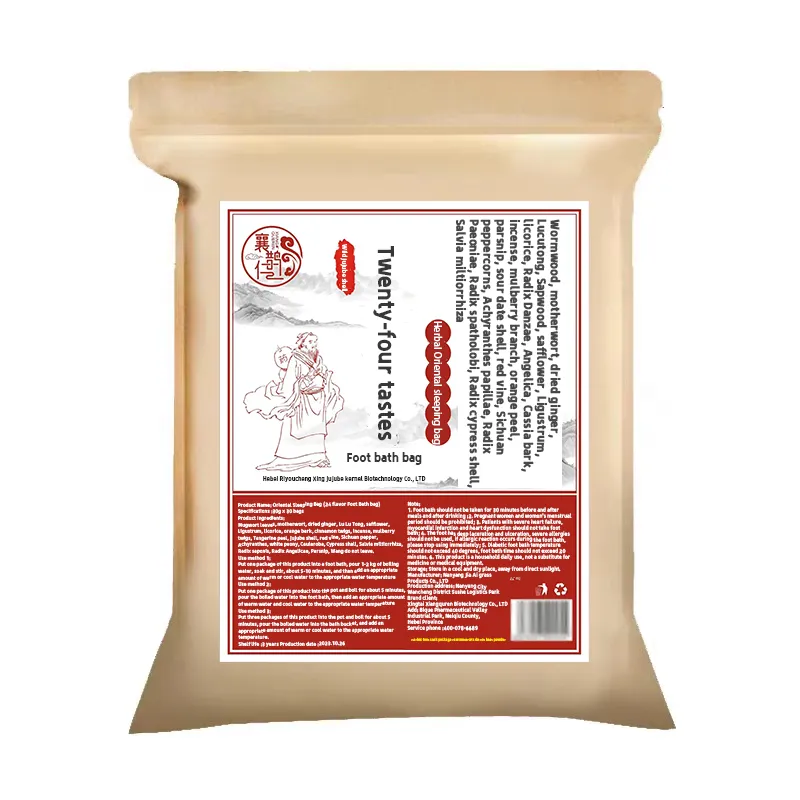
Trend-wise, home spa rituals are booming as hotels, gyms, and even postpartum centers seek tidy, single-use wellness touches. In fact, premium blends now lean on traceable botanicals, low-temp drying, and GMP manufacturing. This supplier, based on the north side of Jinan International Logistics Port, Neiqiu County, Xingtai City, Hebei Province, pushes 24 flavours (custom formulas), international quality certifications, and selected raw material—three phrases I usually approach with skepticism, but the paperwork checks out, which is refreshing.
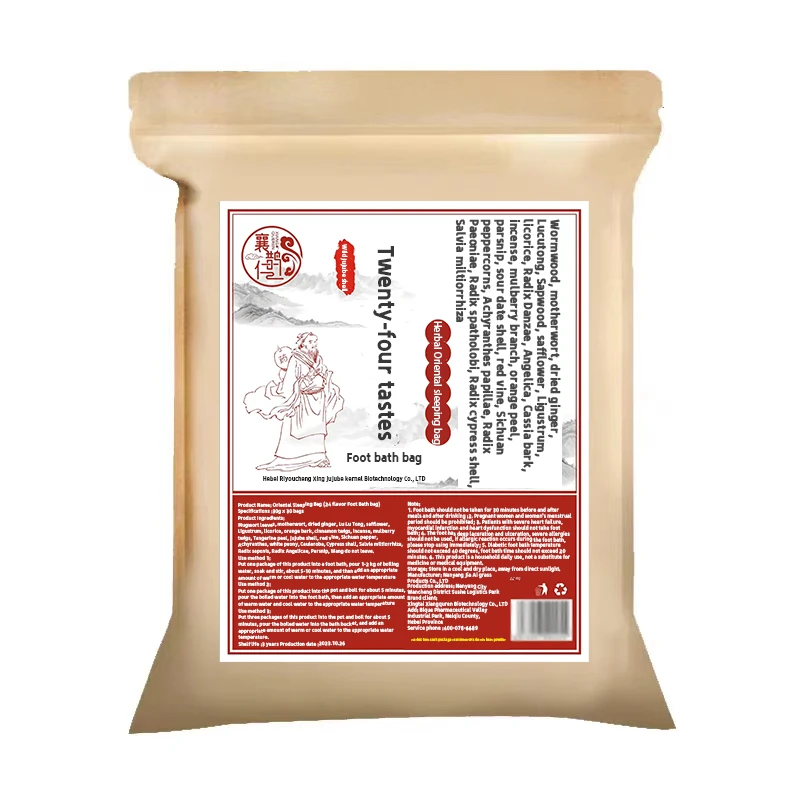
| Product | Herbal Foot Bath Bag (single-use sachet) |
| Typical ingredients | Mugwort (Artemisia), ginger, angelica, safflower, dried citrus peel, Epsom salt; optional lavender or patchouli for aroma (formulas vary ≈ 24 blends) |
| Sachet material | Food-grade, heat-sealed nonwoven (options: PLA/corn-fiber or PET/PP blends; pore size ≈ 40–80 μm) |
| Fill weight | 30–50 g per bag (real-world use may vary by formula strength) |
| Use method | Steep in 4–6 L water at 40–45°C for 5–10 min; soak feet 15–20 min |
| Shelf life | ≈ 24 months sealed; store cool/dry, away from direct light |
| Certifications | ISO 22716 (GMP) cosmetics, ISO 17516 microbiological limits; COA per lot |
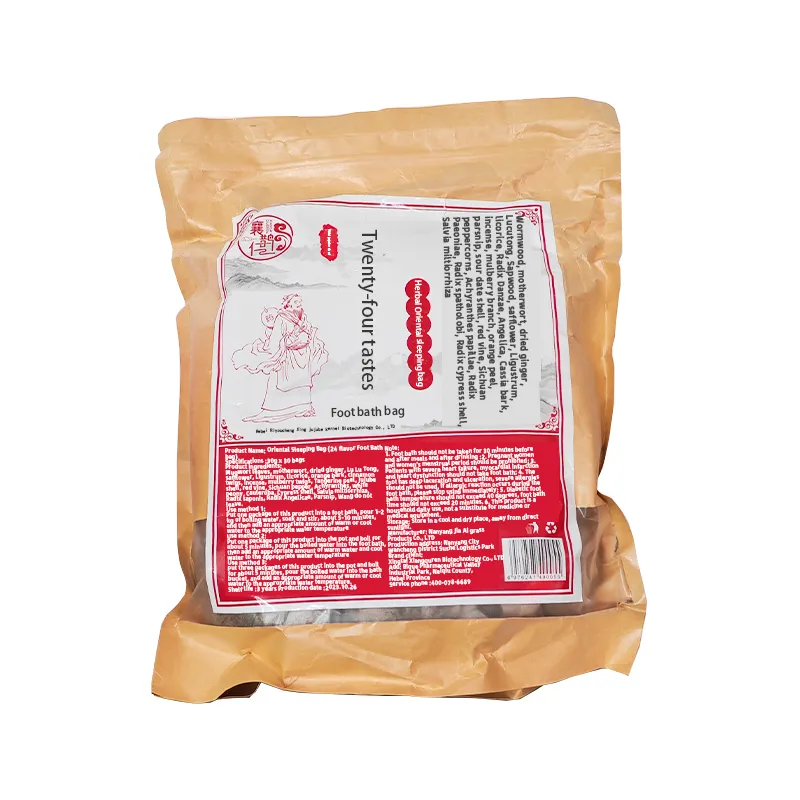
Process flow (how the sausage—well, the sachet—is made): selected raw materials with origin records; botanical identification (macroscopy + TLC per pharmacopeia), gentle washing; low-temp drying (≤55°C) to protect volatile oils; milling/coarse cut; blending per master formula; sachet filling; nitrogen flushing and heat seal; in-process checks (mass variance ≤±2%); finished product testing—TAMC/yeasts-molds per ISO 17516, methods ISO 21149/16212; heavy metals by ICP-MS; moisture ≤12% (loss on drying); GC fingerprinting on certain aromatic blends; final visual/AQL. Service life is largely about moisture control and oxygen barrier; they use foil pouches that, to be honest, feel overbuilt—but that’s what keeps aroma intact.
Indicative test data from a recent batch: TAMC
| Vendor | Certs | MOQ | Customization | Lead time | Traceability |
| XQR (Hebei) | ISO 22716, ISO 17516 COA | ≈ 2,000 sets | 24 flavours + private label, bag size, aroma level | 15–25 days | Lot-level herb sourcing records |
| Local Spa Brand | Brand GMP claim | ≈ 500 sets | Label only; limited formulas | 7–10 days | Basic batch list |
| Generic OEM | COA on request | ≈ 5,000 sets | Flavor swap; minimal R&D | 20–35 days | Limited |
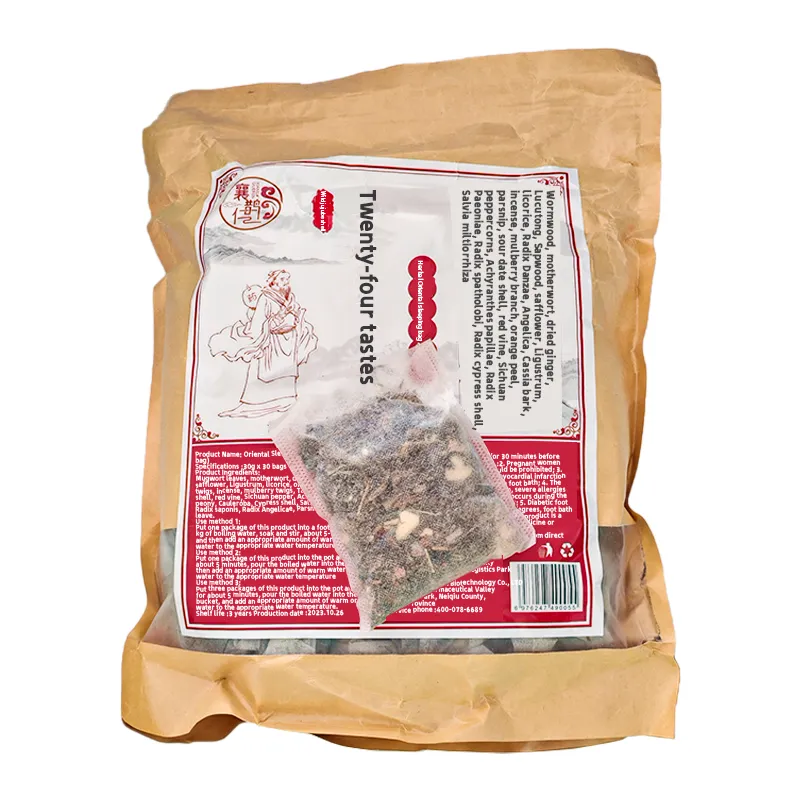
Where it’s used: hotels (turn-down amenities), boutique spas (pre-massage ritual), gyms (post-workout wind-down), corporate gifting, maternity/postpartum centers, and at-home self-care. Advantages? Clean steep (no floating debris), consistent aroma, and—many customers say—less mess than loose herb basins. The Herbal Foot Bath Bag is also a tidy upsell in retail corners next to slippers and eye masks.
Customization options are broad: pick from 24 base blends or co-develop your own; adjust herb ratios, add or skip salts, choose sachet fabric (biodegradable options), set aroma intensity, and lock branding with PMS-matched pouches. Optional ETO sterilization or gamma treatment is available depending on market rules, though I usually prefer sticking to stringent microbiology plus barrier packaging.
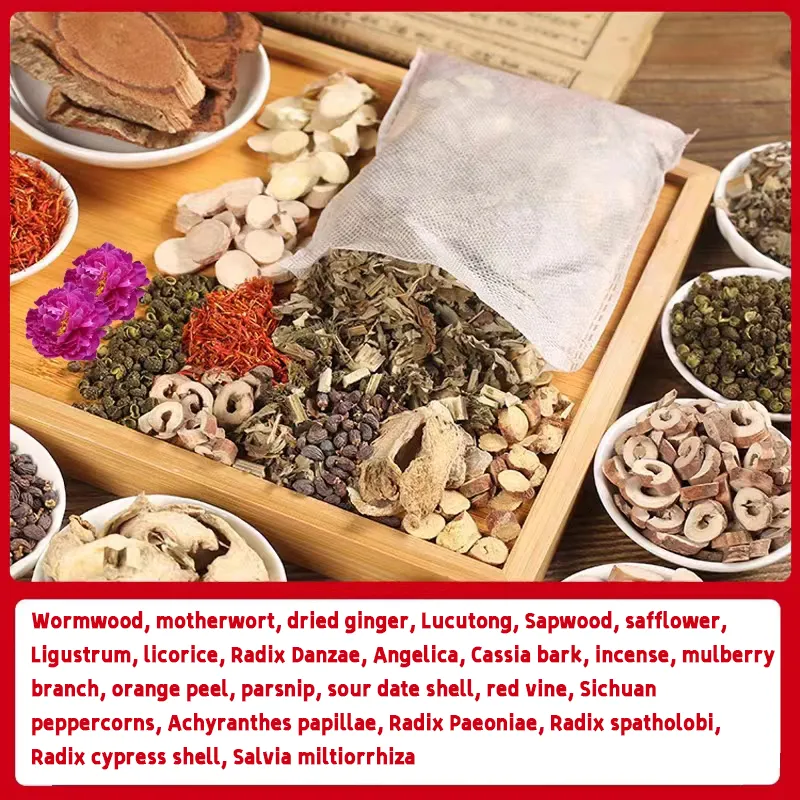
Two quick case notes: a boutique hotel group rolled out a warming ginger-mugwort Herbal Foot Bath Bag in winter—guest satisfaction nudged up 6% in surveys, and housekeeping reported zero residue issues. An e-commerce seller co-created a lavender-night blend; repeat purchase rate hit ≈ 32% in three months, which, to be honest, is better than average for this niche.
If you’re sourcing, ask for: ISO 22716 certificate, ISO 17516 test summary per lot, COA with microbiology and heavy metals, herb origin list, and aging data supporting the 24-month shelf life. It seems that vendors who volunteer this without prodding tend to deliver fewer surprises later.
References
- ISO 22716: Cosmetics—Good Manufacturing Practices (GMP).
- ISO 17516: Cosmetics—Microbiology—Microbiological limits.
- ISO 21149 and ISO 16212: Cosmetics microbiology test methods.
- WHO Guidelines on Good Agricultural and Collection Practices (GACP) for Medicinal Plants.
-
Experience Deep Relaxation and Sleep with ชาสมุนไพรราตรีสวัสดิ์NewsApr.16,2026
-
Why ชาสมุนไพรดีสำหรับการนอนหลับ is the Secret to Better RestNewsApr.09,2026
-
ชาดีสำหรับการนอนหลับ A Comprehensive Guide to Herbal Teas for Better SleepNewsApr.07,2026
-
Enjoying Warm Tea at Nightดื่มชาร้อนตอนกลางคืน Benefits and Best PracticesNewsApr.04,2026
-
Achieve Restful Nights with ชานอนหลับสบาย Your Ultimate Sleep GuideNewsMar.31,2026
-
Unlocking Wellness with ชาดีท็อกซ์ A Comprehensive Guide to Detox TeaNewsMar.28,2026