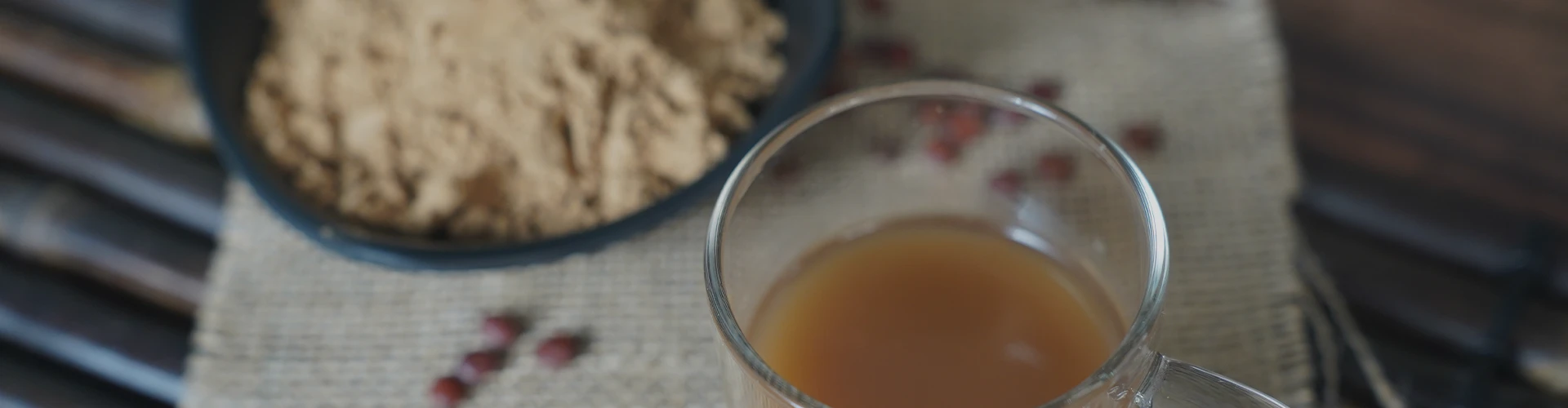
Sour Jujube Shell Integrated Pillow for Natural Neck Relief
A Quiet Sleep Revolution: Field Notes on the Sour Jujube Shell Integrated Pillow
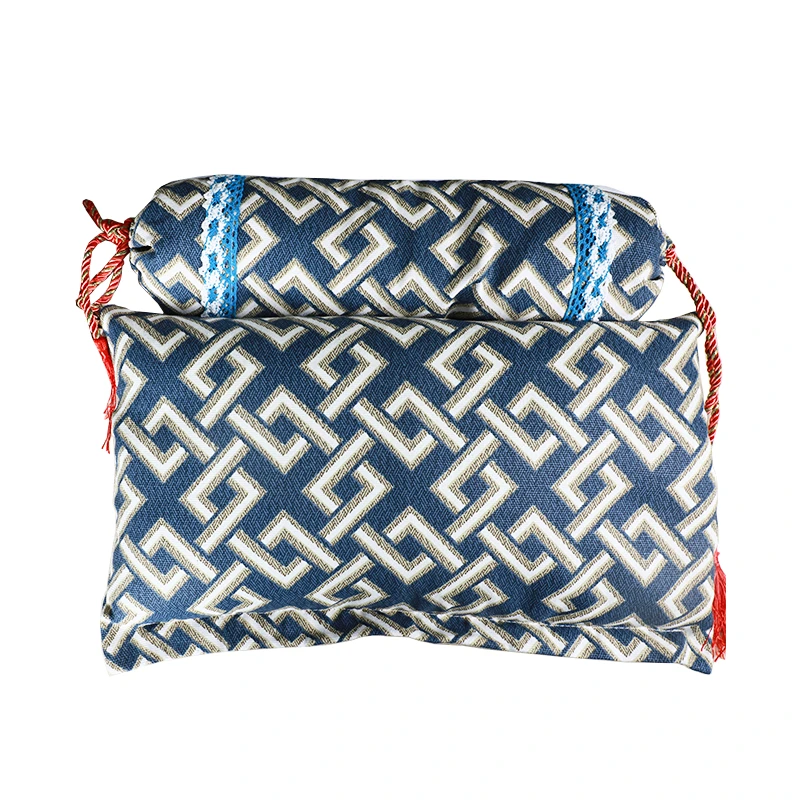
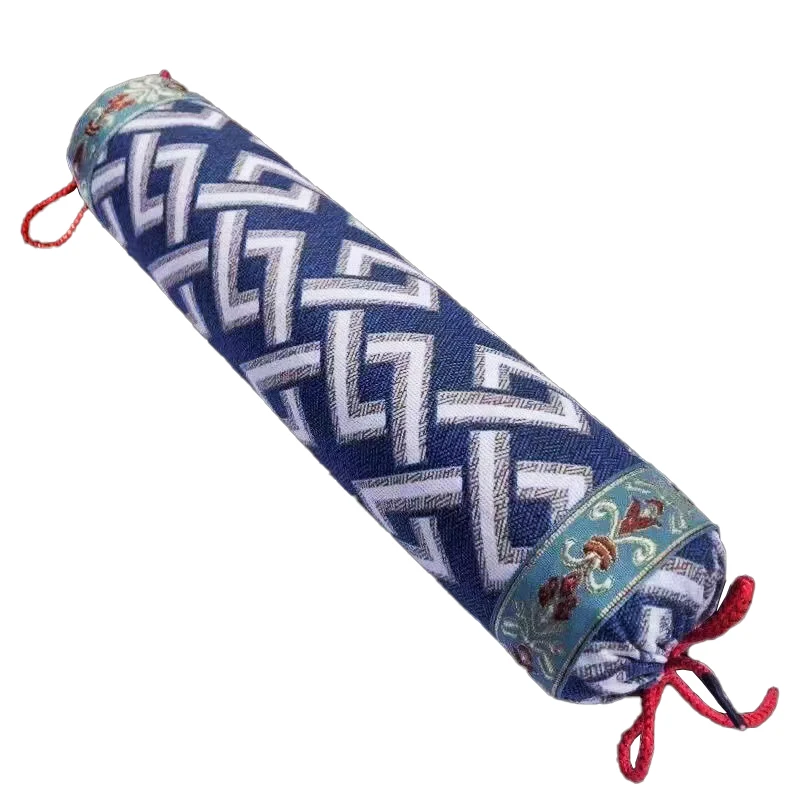
If you’ve followed natural-fill bedding trends, you’ve probably heard whispers about the Sour Jujube Shell Integrated Pillow. I’ve been in and out of workshops from Hebei to the coastal mills, and, to be honest, this one feels different. It’s sourced on the north side of Jinan International Logistics Port, Neiqiu County, Xingtai, Hebei—so the supply chain is short, traceable, and, yes, a little old-school in a good way.
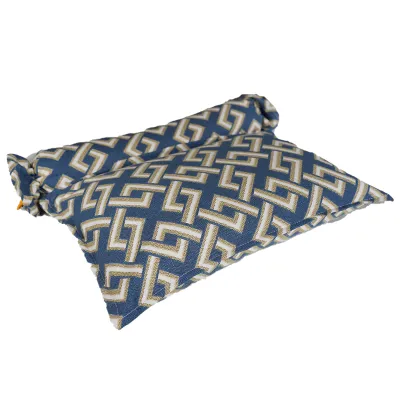
Why jujube shells, and why now?
Natural-fill pillows are riding a global wave: less foam, more breathable botanicals. Jujube (Ziziphus) husk fill is surprisingly resilient and airflow-friendly, and many customers say it “settles” around the neck without that swampy heat you get from some foams. No medical claims here—just practical ergonomics and micro-ventilation. In fact, the Sour Jujube Shell Integrated Pillow leans into this with physical filling only, no added fragrance or polymer beads.
Product specs at a glance
| Fill | Taihang Mountain wild sour jujube shell (physical fill, no impurities) |
| Net weight | ≈ 3.5 kg (adjustable; real-world use may vary ±3%) |
| Dimensions | Standard 70×45 cm (custom sizes available) |
| Pillowcase | Cotton or linen envelope/zipper case; fabric compliance designed toward GB 18401/OEKO-TEX |
| Particle screening | Multi-stage sieve for even support; bulk density ≈ 0.43 g/cm³ |
| Moisture (QC) | Target 6–9% (ISO 3071 pH check; internal moisture test n=3) |
| Service life | Around 3–5 years with periodic sun airing and fluffing |
From mountain to bedroom: process flow
Materials are collected from Taihang wild growth areas; then low-temp drying, triple screening, dust extraction, and optional UV/ozone sanitation. Cases are cut-and-sewn, seams tensile-tested (ASTM D5035 methods), then filled and sealed. Routine checks: pH (ISO 3071), formaldehyde (ISO 14184-1 for fabrics), and textile safety alignment with GB 18401. I guess the unglamorous part—moisture balance—matters most; it keeps the fill springy and quiet.
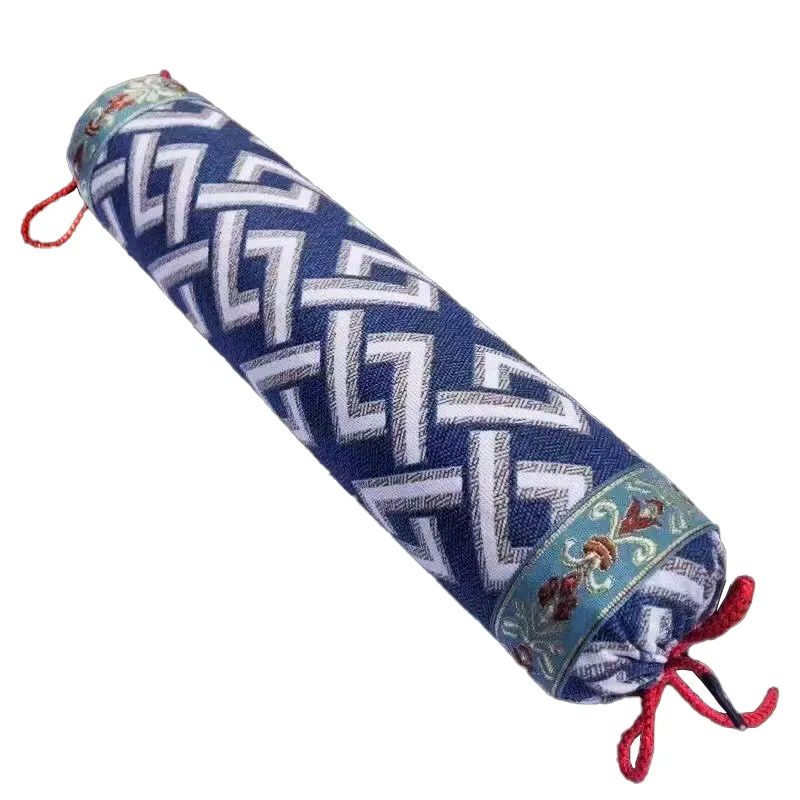
Where it actually works
- Home beds where heat build-up is a deal-breaker.
- Meditation rooms and nap pods—stable loft, low odor.
- Boutique hotels curious about natural sleep amenities.
- Sleep labs comparing airflow and neck support baselines.
Advantages (with real-world caveats)
- Breathable micro-voids; surprisingly cool feel.
- Malleable support—molds under the occiput without collapse.
- Physical fill only; easy to adjust weight by removing shells.
- Low rustle after break-in; some users note a gentle, natural scent.
Vendor comparison (what buyers actually ask)
| Vendor | Origin & Traceability | Impurities | Customization | Lead Time |
|---|---|---|---|---|
| Taihang-sourced (this Sour Jujube Shell Integrated Pillow) | Single-region Hebei; batch logs kept | ≈0.5% after triple screening | Weight, size, case fabric | 7–14 days typical |
| Mixed-orchard filler | Multi-province blend | ≈2–3%; more sorting on arrival | Limited options | 14–21 days |
| PU foam supplier | Industrial | N/A (but odor risk) | Shapes only | 3–10 days |
Customization
Options include 2.5–4.0 kg fill, cotton/linen cases, zipper or envelope closure, branded labels, and carton or vacuum pack. For hospitality, add serialized batch cards for audit trails.
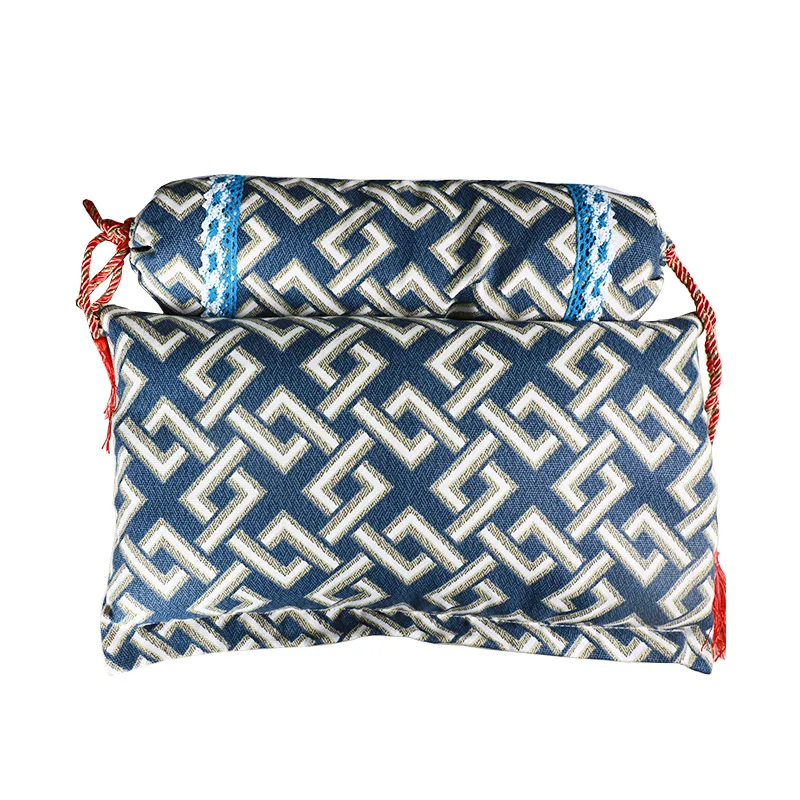
Mini case studies and feedback
- Tier-2 city boutique hotel (East China): switched 30 rooms; noted fewer “too warm” comments after 4 weeks.
- Meditation studio: liked the steady loft; replaced 10% fill every 12 months for freshness.
- E-commerce buyers: many mention “no added smell” and that the pillow “keeps shape after airing in sun.”
Testing snapshot (internal QC, for reference)
- Moisture: 7.2% average (target 6–9%).
- Fabric pH: 6.5 (ISO 3071).
- Formaldehyde (fabric): below detection per ISO 14184-1 method.
- Seam strength: passes typical hospitality threshold using ASTM D5035 strip method.
Standards and service life are indicative; real-world use may vary with climate and care (regular sun airing helps).
References
- GB 18401-2010 National General Safety Technical Code for Textile Products.
- ISO 3071:2020 Textiles — Determination of pH of aqueous extract.
- OEKO-TEX Standard 100 — Product Class I–IV criteria (latest edition).
- ASTM D5035 — Standard Test Method for Breaking Force and Elongation of Textile Fabrics (Strip Method).
- ISO 14184-1 — Textiles — Formaldehyde release testing (free and hydrolyzed).
-
Discovering the Rich Tradition of Daechu Hangukcha Korean Jujube TeaNewsJan.27,2026
-
Discover the Wellness Benefits of Traditional Korean Daechu Saenggangcha TeaNewsJan.27,2026
-
Oyasumi Sleep Tea: Natural Sleep Aid ReviewNewsJan.26,2026
-
Night Sleep Tea for Business WellnessNewsJan.26,2026
-
Industrial Roller Conveyors - ZGXQR ReviewNewsJan.25,2026
-
Herbal Teas for Sleep: Find Your CalmNewsJan.24,2026