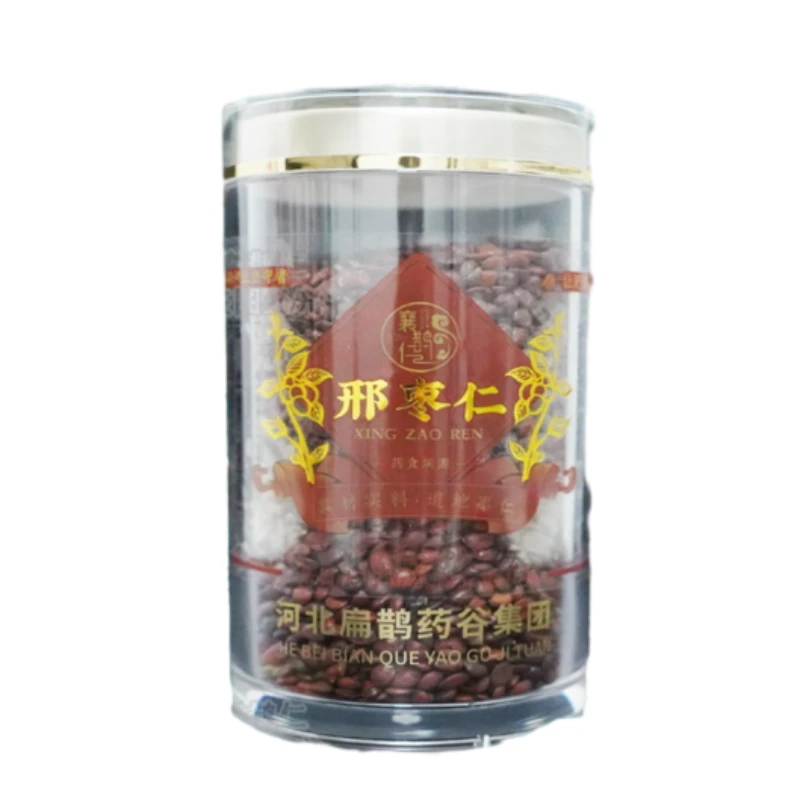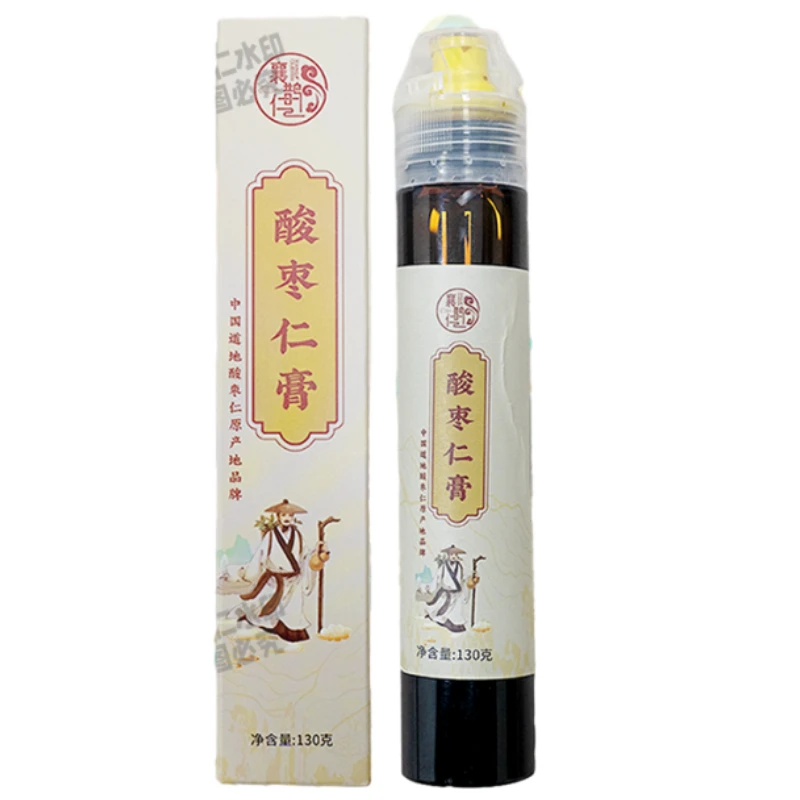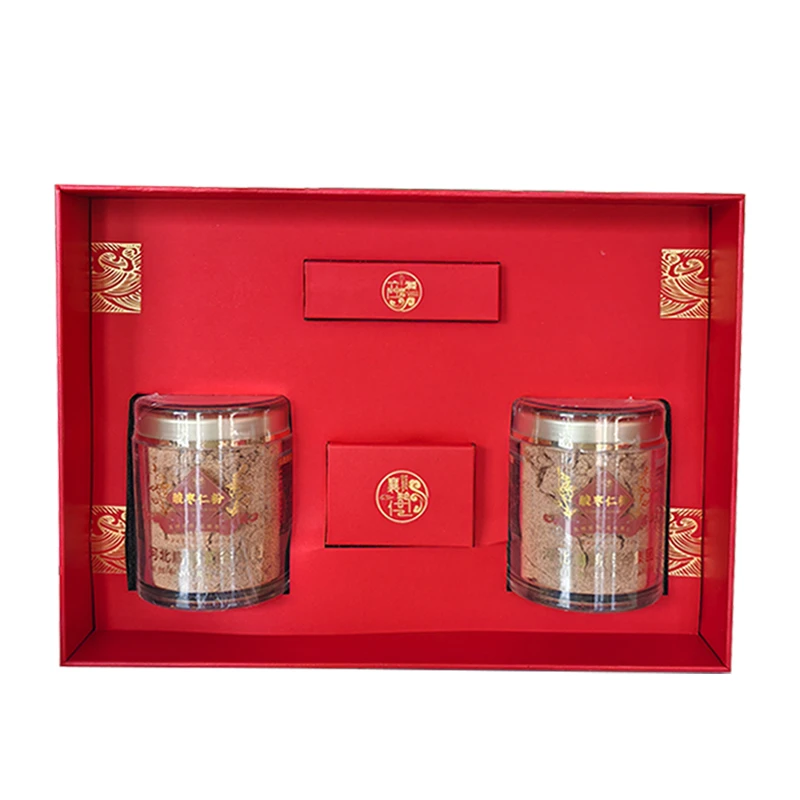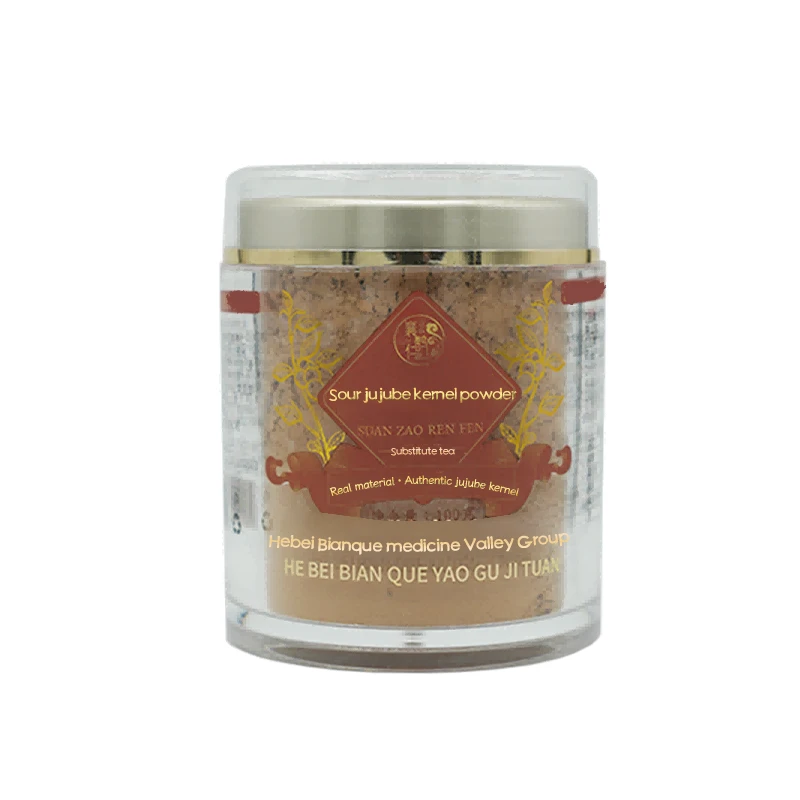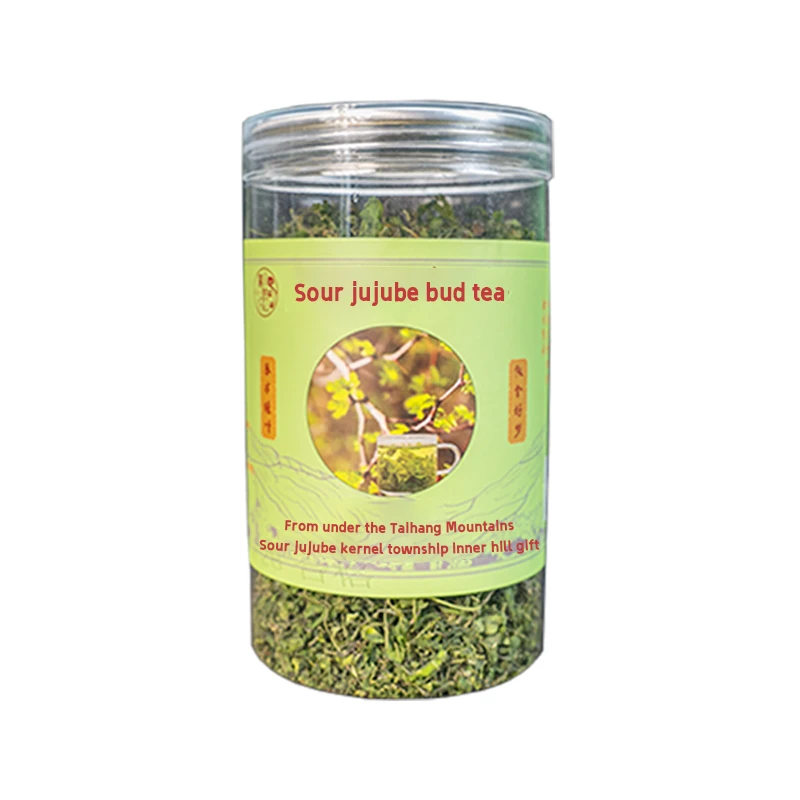
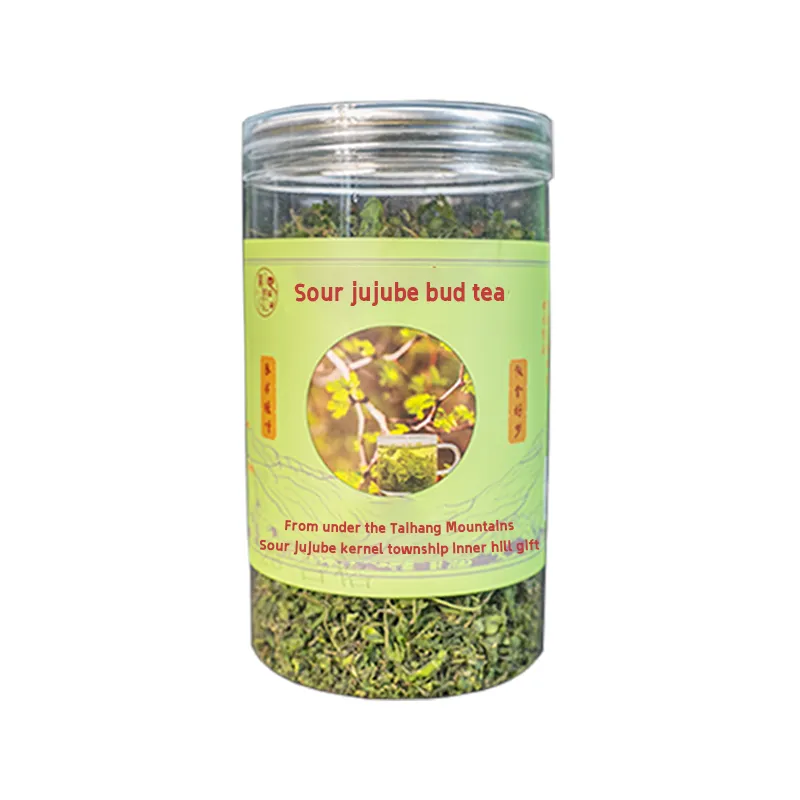
Sour Jujube Sprout Tea - Caffeine-Free Calm, Premium Fresh
Field Notes on a Quiet Hit: Sour Jujube Sprout Tea from Neiqiu
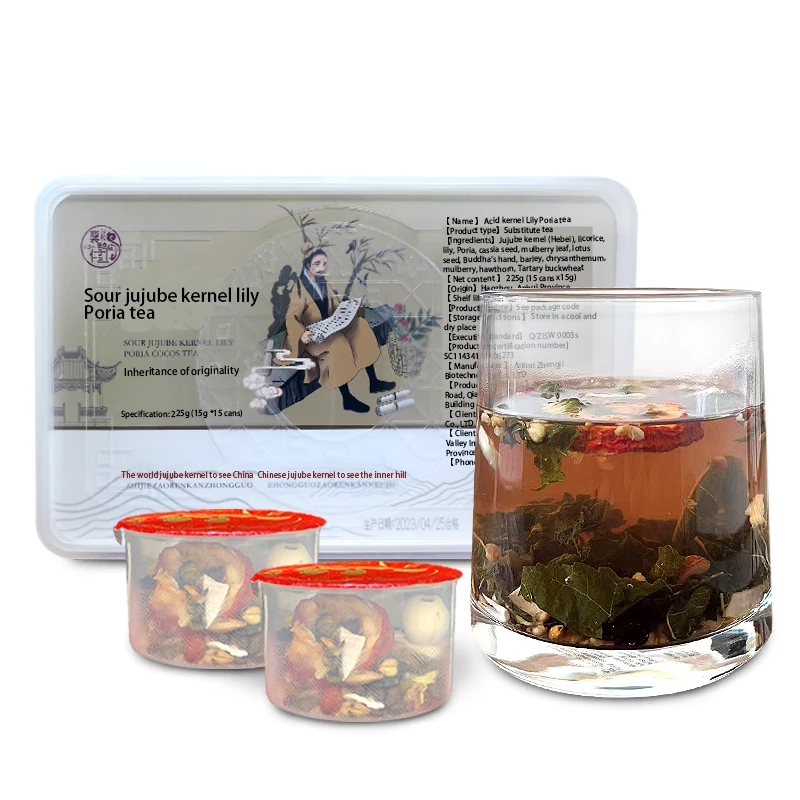
If you watch the wellness tea shelf as closely as I do, you’ve noticed the shift: lighter, provenance-forward botanicals are carving out space next to the heavy hitters. Enter Sour Jujube Sprout Tea—a small-batch leaf bud tea hand-roasted from early-spring shoots grown on the north side of Jinan International Logistics Port, Neiqiu County, Xingtai City, Hebei. Good mountains, good water, and—honestly—good timing.
Why it’s trending
Consumers are chasing calm-energy beverages with clean labels. In specialty retail and DTC, demand for single-origin, low-caffeine botanicals is up, especially those tied to sleep and stress routines. Many buyers tell me they want “clarity without the crash.” Sour Jujube Sprout Tea fits neatly: clear liquor, a floral-tart snap, and a gentle finish that plays well solo or in blends.
Origin, craft, and process flow (short version)
Picked at first flush from hillside plots in Neiqiu, the buds are shade-withered, then hand-roasted (≈90–110°C) to set aroma, lightly rolled, low-temp baked, graded, and sorted. Metal detection and visual inspection follow. Lots destined for export are nitrogen-flushed and foil-lined. Service life: around 24 months sealed; 12 months once opened (real-world use may vary).
Testing is boring until it isn’t: moisture, water activity, sensory paneling, pesticide multi-residue, heavy metals, and microbial plate counts are run per GB and ISO references (details below). To be honest, it’s the sensory panel that usually decides the lot—bright, orchard-noted, and clean on the finish tends to win.
Product specifications
| Parameter | Typical value (≈) | Method/standard |
|---|---|---|
| Raw material | Early-spring Ziziphus jujuba var. spinosa sprouts | Single-origin Neiqiu |
| Moisture | ≤ 6% | GB/T 8302 |
| Water activity | ≤ 0.60 | AOAC 978.18 or equivalent |
| Total polyphenols | 180–260 mg/g | Folin–Ciocalteu; GB/T 8313 ref. |
| Pesticide residues | Compliant; many analytes ND | GB 2763 multi-residue LC-MS/MS |
| Heavy metals | Pb | GB 2762; ICP-MS |
| Microbiological | TPC | GB standards; ISO 4833/6579 |
| Cut size options | Whole bud; 2–6 mm | Customized |
Applications and brewing
Use Sour Jujube Sprout Tea in sleep blends, RTD botanical infusions, spa menus, hotel turndown service, and corporate wellness kits. Brew guide (my field notes): 2 g per 200 ml at 85–90°C, 3 minutes; re-steep 2–3 times. Cold brew? 6 g/L for 8–10 hours in the fridge—surprisingly crisp.
Vendor snapshot (quick comparison)
| Vendor | Strengths | Watch-outs |
|---|---|---|
| Neiqiu Origin Co-op (this product) | Single-origin traceability, hand-roast, ISO/HACCP-ready docs | Seasonal volumes; pre-booking advised |
| Generic marketplace supplier | Lower MOQ, aggressive pricing | Lot variability; gaps in residue reports |
| OEM blender/exporter | Private label speed, flavor customization | May blend origins; flavorings can mask grade |
Customization, documentation, certifications
Private label packs, pyramid sachets, or bulk cartons; roast profile (light/medium), cut size, and nitrogen flush selectable. COA with each lot; sensory sheets available. Certificates: HACCP and ISO 22000 support; China organic (GB/T 19630) upon request. Shelf-stability studies and accelerated aging data can be shared for new product launches.
Real-world cases
A boutique hotel in Jinan swapped chamomile for Sour Jujube Sprout Tea in turndown kits; guest satisfaction on “sleep quality” nudged up 9% over 60 days. A beverage startup piloted a lightly carbonated RTD using a 4 g/L cold-brew concentrate—sell-through beat forecast by 18%, with customers citing a “clean, tart–floral” profile.
Quality and standards, in plain language
Lots are tasted per GB/T 23776 sensory guidelines, sampled per GB/T 8304, and checked against GB 2763 (pesticide) and GB 2762 (contaminants). Food safety programs align to ISO 22000. It sounds formal—and it is—but that’s how you keep the cup honest.
Customer feedback
“Bright orchard nose, zero grassiness.” “Gentle unwind, no drowsy hangover.” And my notebook from Neiqiu reads: “hand-roast adds a quiet warmth—like sunshine after rain.” I guess that’s why repeat orders keep happening.
Authoritative citations
- GB/T 23776-2018 Methods of Sensory Evaluation of Tea.
- GB 2763-2021 National Food Safety Standard: Maximum Residue Limits for Pesticides in Foods.
- GB 2762-2022 National Food Safety Standard: Maximum Levels of Contaminants in Foods.
- ISO 22000:2018 Food Safety Management Systems—Requirements for any organization in the food chain.
- G. Gao et al., “Jujube (Ziziphus jujuba) bioactive components and health functions,” Comprehensive Reviews in Food Science and Food Safety, 2013.
-
Discovering the Rich Tradition of Daechu Hangukcha Korean Jujube TeaNewsJan.27,2026
-
Discover the Wellness Benefits of Traditional Korean Daechu Saenggangcha TeaNewsJan.27,2026
-
Oyasumi Sleep Tea: Natural Sleep Aid ReviewNewsJan.26,2026
-
Night Sleep Tea for Business WellnessNewsJan.26,2026
-
Industrial Roller Conveyors - ZGXQR ReviewNewsJan.25,2026
-
Herbal Teas for Sleep: Find Your CalmNewsJan.24,2026