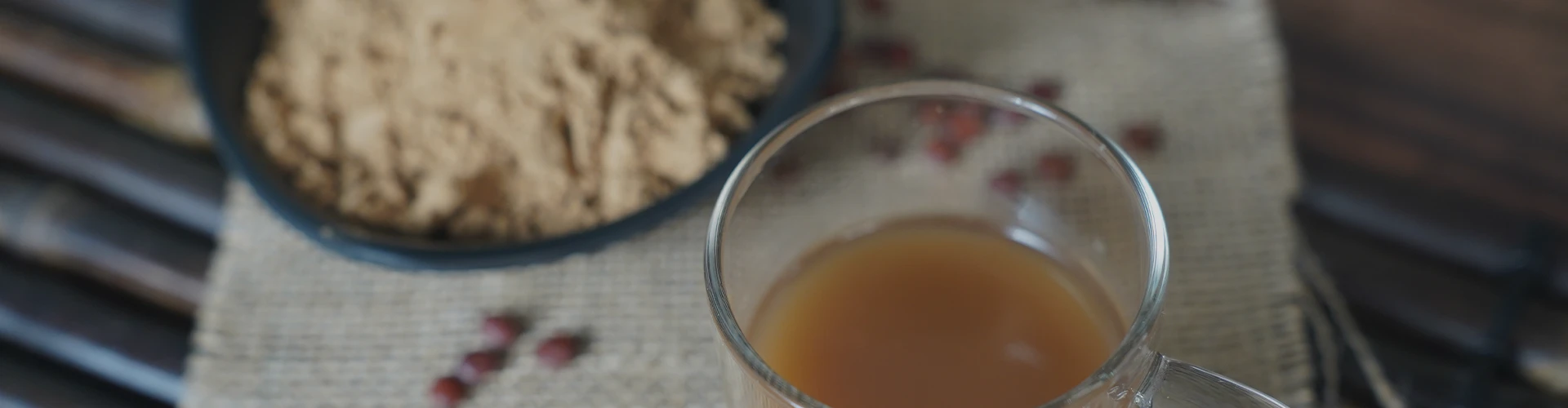
Herbal Foot Bath Bag – Natural Relaxing Soak, Spa at Home
A Practical Insider’s Take on the Herbal Foot Bath Bag Trend
I’ve watched foot-soak culture morph from old-world ritual to wellness essential. The momentum isn’t hype only—spas, hotels, even athletic recovery rooms now keep Herbal Foot Bath Bag kits on hand. And to be honest, the newest generation finally blends plant science with decent QA.
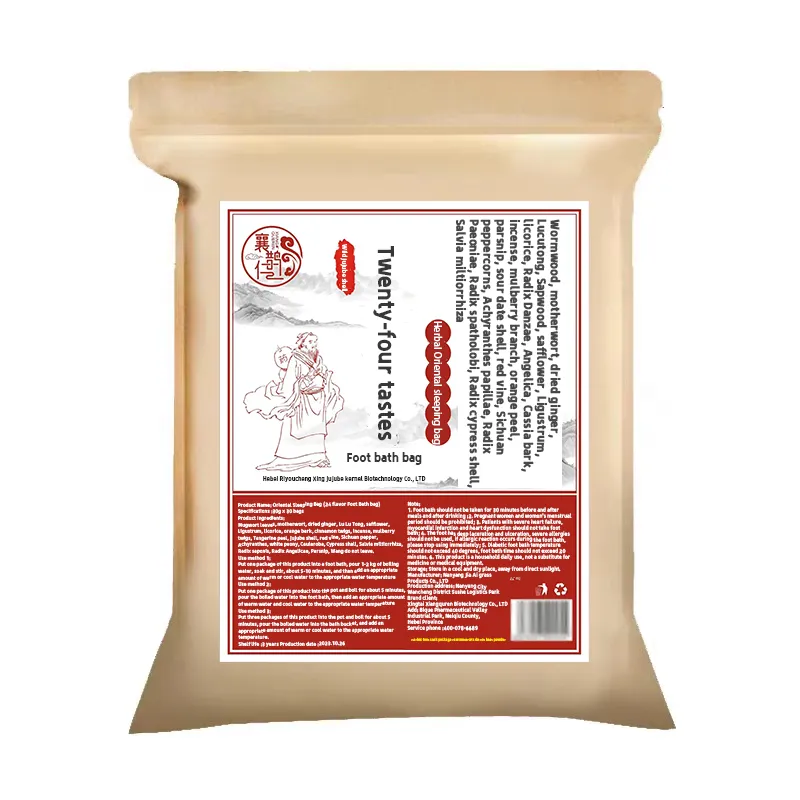
Origin, positioning, and what’s different
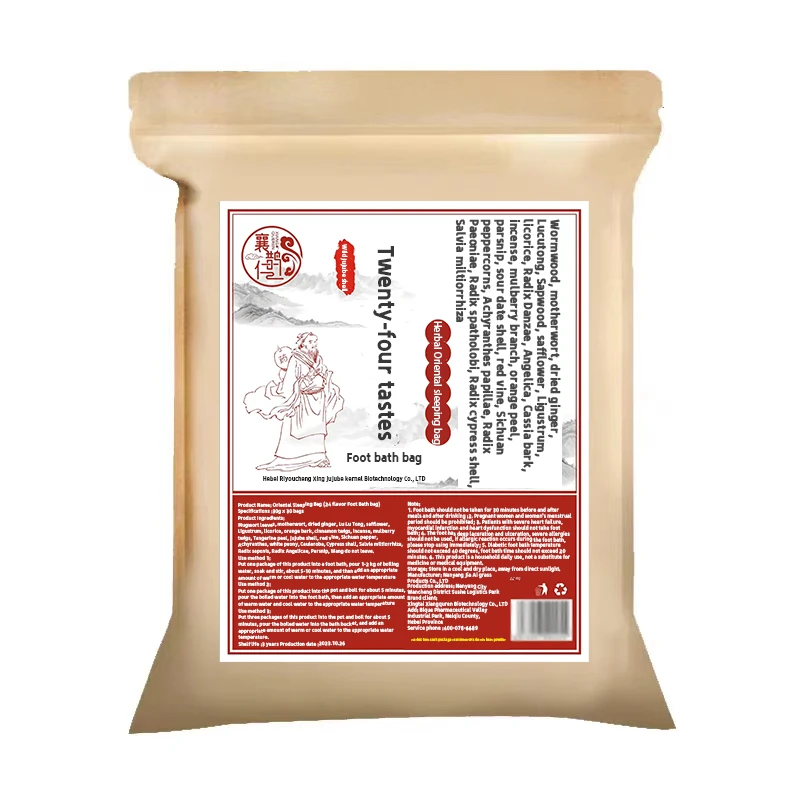
Manufactured near the north side of Jinan International Logistics Port, Neiqiu County, Xingtai City, Hebei Province, this Herbal Foot Bath Bag line leans into “24 flavours” (read: blends) with custom formulas. It seems that buyers in spa retail want more choice—warming ginger options in winter, minty relief in summer—while distributors ask for international quality certification and selected raw materials. That’s exactly the pitch here.
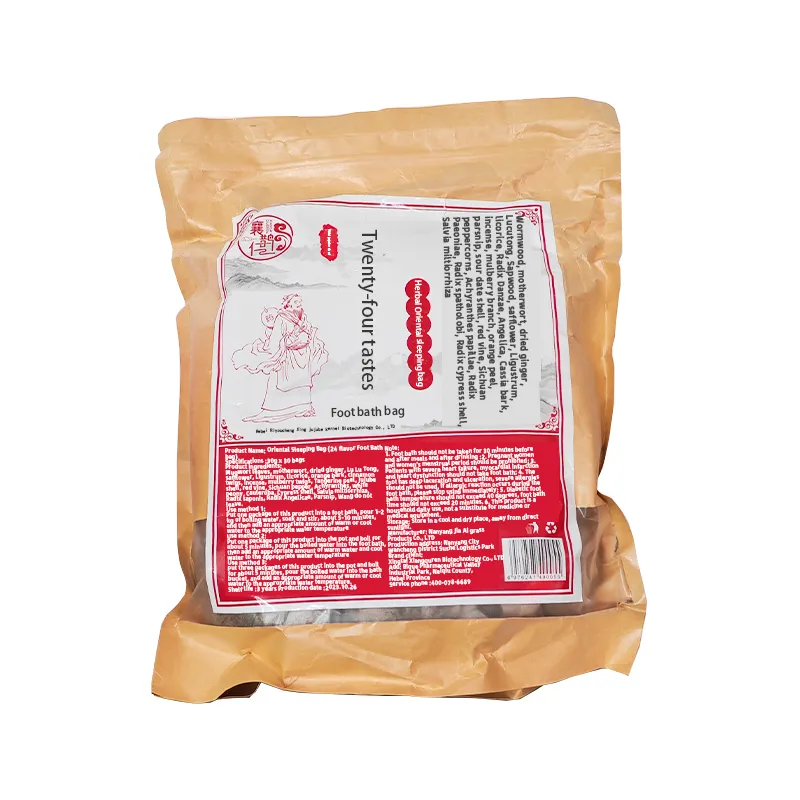
Process flow (how it’s actually made)
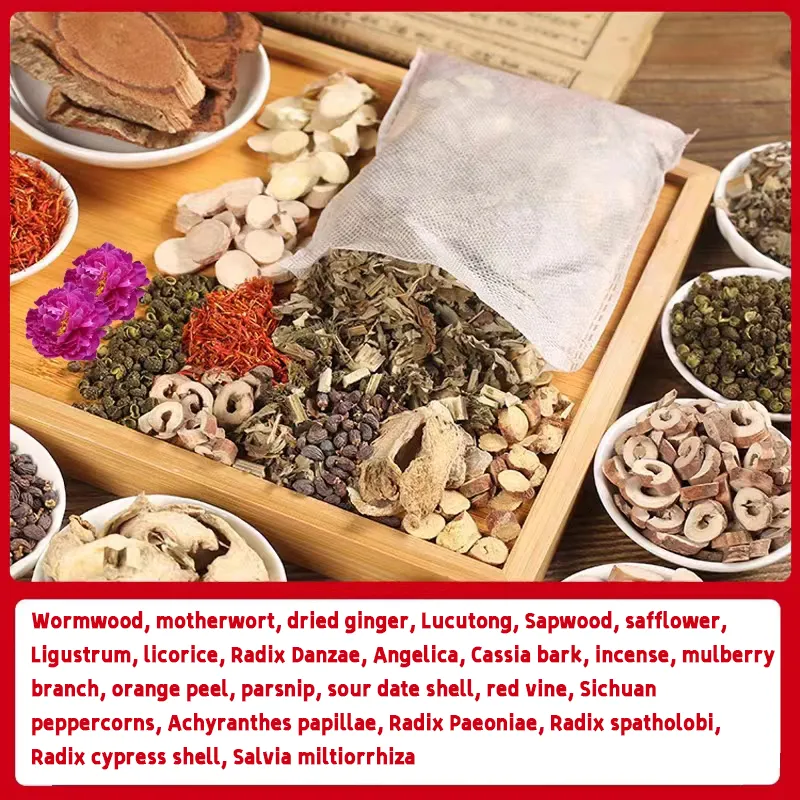
- Materials: dried botanical cuts and powders (e.g., ginger, mugwort, angelica, safflower), food-grade nonwoven or gauze sachets.
- Methods: low-temp milling, humidity-controlled blending, sachet filling, nitrogen flush, heat sealing.
- Testing: microbiology (USP <61>/<62>), heavy metals by ICP-MS, moisture content (≤10% typical), pesticide residue screening, organoleptic checks.
- Service life: ≈24–36 months sealed; real-world use may vary with storage.
- Industries served: spa/wellness, hospitality turndown, e-commerce private label, physiotherapy/athletic recovery, corporate gifting.
Key specifications
| Blend options | 24 flavours; warming, relaxing, invigorating; custom TCM-style formulas |
| Bag material | Nonwoven PLA or cotton gauze (food-grade), 40–60 gsm |
| Fill weight | ≈20–50 g per sachet (customizable) |
| Sachet size | 80×100 mm, 90×120 mm, or bespoke |
| Dissolution/infusion | ≈90–180 s at 45–50°C; optimal soak 15–20 min |
| Certifications | ISO 22716 (Cosmetics GMP), SGS-tested; MSDS available |
| Packaging | Individual sachet + moisture barrier pouch; cartons ≈100–200 pcs |
Vendor comparison (real-world purchasing notes)
| Criteria | This Supplier | Vendor B | Vendor C |
| Blend range | 24 flavours + custom | 8–10 standard | 12–15; limited custom |
| QA/Certs | ISO 22716; third-party tests | Basic COA | GMP claim (unverified) |
| Lead time | ≈7–15 days | ≈20–30 days | ≈15–25 days |
| MOQ | Around 1,000 sets | 5,000+ | 2,000–3,000 |
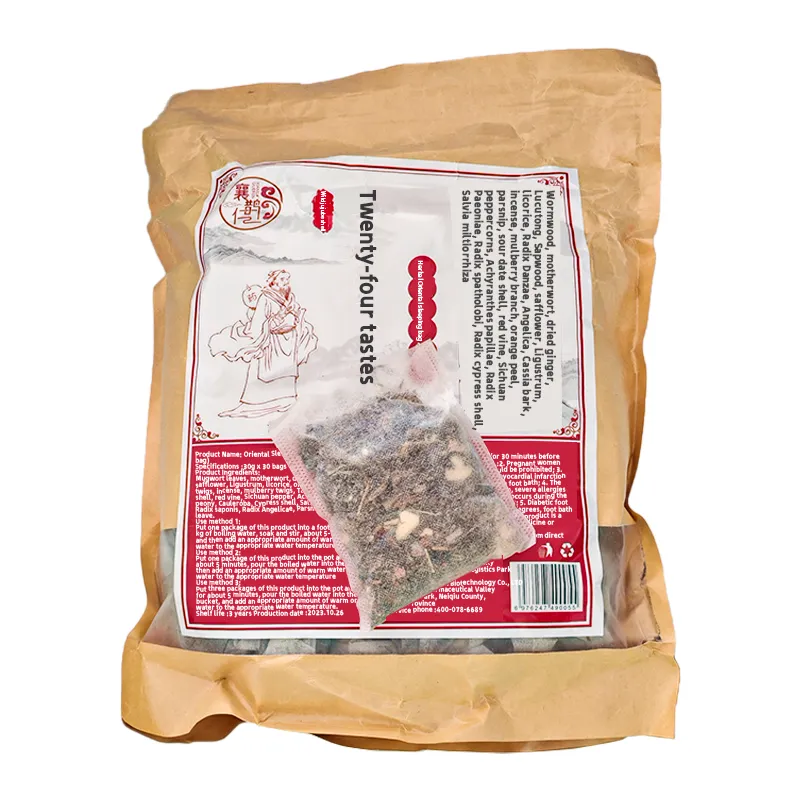
Use cases and feedback
- Hotels add a Herbal Foot Bath Bag to premium turndown; guests mention “surprisingly relaxing” in post-stay surveys.
- Sports therapy mixes warming ginger + safflower after intense training; therapists note perceived fatigue relief.
- E-commerce private labels love the custom aroma profiles and quick infusion (less sediment than loose blends).
Internal test data snapshot: TPC ≤100 CFU/g; Pb <2 ppm, As <1 ppm; essential oil retention ≈85% at 6 months (40°C/75%RH), passing stability. Of course, results may vary by blend.
Customization options
Formulas, sachet size, outer packs, even QR-coded story cards. Actually, the faster wins lately come from “seasonal kits” and spa co-brands.
Mini case study
A boutique chain ordered 5,000 mixed-flavour sets. After switching to a gauze sachet and a slightly heavier 35 g fill, repeat purchase rate on their store rose ≈22% quarter-over-quarter. Not scientific, but the merchandising plus aroma intensity clearly helped.
How to use
- Steep one Herbal Foot Bath Bag in 3–5 L of 45–50°C water for 2–3 minutes.
- Soak 15–20 minutes; top up with warm water as needed.
- External use only; discontinue if irritation occurs.
Standards and references
- ISO 22716: Cosmetics — Good Manufacturing Practices (GMP).
- USP <61> and <62>: Microbiological Examination of Nonsterile Products.
- WHO Guidelines on Good Agricultural and Collection Practices (GACP) for Medicinal Plants.
- SGS typical protocols for heavy metals and pesticide residues in botanical products.
-
Discovering the Rich Tradition of Daechu Hangukcha Korean Jujube TeaNewsJan.27,2026
-
Discover the Wellness Benefits of Traditional Korean Daechu Saenggangcha TeaNewsJan.27,2026
-
Oyasumi Sleep Tea: Natural Sleep Aid ReviewNewsJan.26,2026
-
Night Sleep Tea for Business WellnessNewsJan.26,2026
-
Industrial Roller Conveyors - ZGXQR ReviewNewsJan.25,2026
-
Herbal Teas for Sleep: Find Your CalmNewsJan.24,2026