Mugwort Foot Bath Benefits & Global Wellness Trends | Herbal Therapy Insight
Mugwort Foot Bath: A Gentle Tradition with Global Appeal
At first glance, a mugwort foot bath might sound like old folklore—the kind of thing your grandmother swears by to calm restless legs or soothe the evening aches. But, surprisingly, this simple herbal soak is quietly gaining global traction, not just for personal wellness but also as an accessible, low-cost health practice with intriguing implications for holistic care worldwide.
In a world increasingly leaning toward sustainable, nature-based remedies, understanding the mugwort foot bath reveals how traditional knowledge and modern wellness trends intersect, offering benefits that reach beyond mere relaxation.
The Global Context: Why Mugwort Foot Baths Matter
According to recent WHO reports, nearly 80% of people globally rely on traditional medicine for primary healthcare. Mugwort (Artemisia vulgaris), a medicinal herb with centuries of use across Asia and Europe, plays a distinct role here. The practice of soaking feet in mugwort-infused water is more than a calming ritual; it addresses circulation issues, inflammation, and stress-related ailments.
Oddly enough, the herbal foot bath tackles some modern challenges too: accessibility to healthcare in rural areas, rising costs of pharmaceuticals, and increasing consumer demand for non-invasive wellness options. The growing wellness economy, worth over $4.5 trillion globally, embraces this age-old tradition as part of its natural healing portfolio.
Mini takeaway:
Discovering mugwort foot baths bridges ancient wisdom and modern needs, proving simple can be powerful.
What Exactly Is a Mugwort Foot Bath?
Simply put, a mugwort foot bath involves soaking your feet in warm water infused with mugwort leaves or essential oils. The herb’s natural compounds—flavonoids, volatile oils, and sesquiterpene lactones—are believed to promote blood circulation, reduce muscle pain, and offer mild antiseptic properties.
In the wellness industry, mugs of herbal teas and topical applications are common fare, but the foot bath form combines therapeutic warmth and herbal potency at a direct contact point loaded with nerve endings. It’s been adopted not only by spas and traditional practitioners but also by modern wellness brands looking for gentle, effective ways to support users’ holistic health.
Mini takeaway:
Think of the mugwort foot bath as a comfortable, practical entry point into herbal therapy—less fuss, more calm.
Core Aspects of Mugwort Foot Baths
1. Herbal Quality and Purity
The effectiveness hinges on the quality of mugwort—organically grown, pesticide-free, and freshly harvested herbs deliver a richer infusion. Industrial suppliers are increasingly certified by ISO 9001 standards to meet these stringent quality levels, which means consumers and wellness brands can trust the supply chain.
2. Temperature Control
Studies suggest the soaking water should be maintained around 40°C (104°F). Too hot, and it risks irritation; too cool, and circulation benefits fade. Several foot bath devices now offer digital heating with mugwort infusion compartments, blending tradition with tech.
3. Accessibility & User Experience
Practical use matters. The design of the foot bath vessels ranges from simple ceramic bowls to electric soak devices with vibration and timer options. For elderly or mobility-challenged users, ergonomics counts — a shallow basin with smooth edges helps.
4. Sustainability & Source Tracking
More brands are tracing mugwort’s botanical origins through transparent sourcing. This means ethical harvesting from wild or cultivated plants, minimizing environmental impact, and supporting local farming communities, especially in East Asia.
Mini takeaway:
The magic of mugwort foot baths depends equally on quality ingredients, smart design, and mindful sourcing.
Global Applications and Use Cases
Across China, Korea, and Japan, mugwort foot baths are common in traditional medicine clinics and home care for ailments like arthritis, cold feet, and insomnia. Elsewhere, wellness retreats in Europe and North America have embraced the practice as a trendy ritual.
Interestingly, in regions with limited healthcare access, NGOs have explored low-cost herbal therapies, including foot baths, for complementary support. For example, in parts of rural Southeast Asia, healthcare workers recommend mugwort soaks alongside massage to relieve chronic pain.
Even urban spas lean heavily into this, combining mugwort foot baths with aromatherapy and reflexology to create calming experiences tailored to fast-paced city dwellers.
Mini takeaway:
Whether remote villages or metropolitan spas, mugwort foot baths adapt seamlessly—the universal appeal is quite something.
Mugwort Foot Bath Specifications
| Specification | Typical Range | Notes |
|---|---|---|
| Water Temperature | 38°C - 42°C (100°F - 107.6°F) | Optimal for absorption |
| Mugwort Quantity | 30–50 grams dried leaves per liter | Ensures sufficient infusion |
| Soaking Time | 15-30 minutes | Balances efficacy & comfort |
| Vessel Type | Ceramic, plastic, or electric device | User preference dependent |
Comparing Leading Mugwort Foot Bath Products & Vendors
| Vendor | Product Type | Price Range (USD) | Key Feature | Sustainability |
|---|---|---|---|---|
| HerbWell Naturals | Dried Mugwort Leaf Packets | $10 - $20 | Organic-certified wild-harvest | Fair-trade sourced |
| AromaSoak Tech | Electric Herbal Foot Bath Machine | $80 - $150 | Digital temp control + infusion basket | Energy-efficient design |
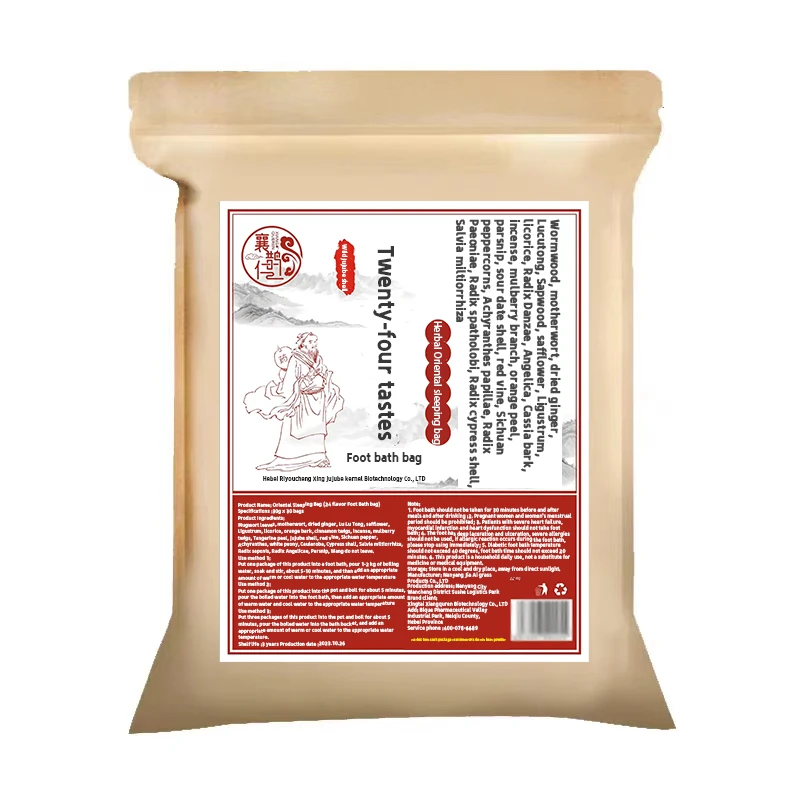
| GreenHerb Essentials | Pre-packed Mugwort Bath Bags | $15 - $25 | Convenient single-use bags | Biodegradable packaging |
Why Choose Mugwort Foot Baths? The Advantages
- Cost-effective: Compared to many wellness therapies, herbal foot baths are inexpensive and easy to prepare at home.
- Sustainability: Mugwort is a hardy plant that grows easily without heavy pesticides or fertilizers, reducing environmental strain.
- Non-invasive Therapy: Soaking feet respects the body’s natural rhythms and avoids side effects common in pharmaceuticals.
- Enhances Sleep & Relaxation: Anecdotal and some clinical studies highlight mugwort’s mild sedative properties improving sleep quality.
- Social & Emotional Connection: For many, this ritual connects them to heritage, community, and self-care moments.
Where Is Mugwort Foot Bath Headed? Trends & Innovations
Companies are experimenting with automation—smart foot baths that automatically regulate mugwort concentration or integrate with apps tracking wellness routines. Material science innovations include sustainable, antimicrobial liners for bath vessels. And there’s a push towards certified organic wildcrafting and blockchain-based source transparency to meet ethical consumers’ expectations.
Common Challenges and Practical Solutions
A few hurdles remain. Some users find the herbal aroma strong or occasionally skin-irritating. There's also confusion around sourcing genuine mugwort, due to some markets offering adulterated or mixed herbs.
Experts suggest starting with small, diluted infusions and gradual exposure to test skin sensitivity. For sourcing, buying from certified suppliers reduces risk. Plus, ongoing research into standardized extract concentrations will help in creating clearer dosing instructions.
FAQ: Practical Questions About Mugwort Foot Baths
Q1: Can mugwort foot baths help with cold feet or poor circulation?
A1: Yes, the warm water combined with mugwort’s natural compounds promotes blood flow and can relieve coldness in extremities. However, it’s wise to consult a doctor if you have circulation-related health conditions.
Q2: How often should I do a mugwort foot bath to see benefits?
A2: Most practitioners recommend 2-3 times per week for general wellness. Some traditional approaches suggest daily use during acute symptoms, though moderation helps avoid skin irritation.
Q3: Is mugwort safe for children or pregnant women?
A3: Caution is advised. Mugwort contains compounds that may cause allergic reactions and is generally discouraged during pregnancy without medical guidance.
Q4: Where can I buy authentic mugwort for foot baths?
A4: Look for organic-certified suppliers or specialty herbal stores online. For ready-to-use solutions, brands listed in our vendor comparison table offer trusted options.
In Closing: Why Mugwort Foot Baths Deserve a Spot in Your Wellness Routine
Frankly, there’s something wonderfully simple yet effective about kicking off your shoes and soaking your feet in an herbal mugwort bath. It’s a ritual that respects body, tradition, and sustainability—a small habit with a bigger payoff for both physical comfort and mental calm.
If you’re curious, start slow, source well, and enjoy the process—your feet and spirit might thank you. For more information and quality products, visit mugwort foot bath.
References
-
Discovering the Rich Tradition of Daechu Hangukcha Korean Jujube TeaNewsJan.27,2026
-
Discover the Wellness Benefits of Traditional Korean Daechu Saenggangcha TeaNewsJan.27,2026
-
Oyasumi Sleep Tea: Natural Sleep Aid ReviewNewsJan.26,2026
-
Night Sleep Tea for Business WellnessNewsJan.26,2026
-
Industrial Roller Conveyors - ZGXQR ReviewNewsJan.25,2026
-
Herbal Teas for Sleep: Find Your CalmNewsJan.24,2026