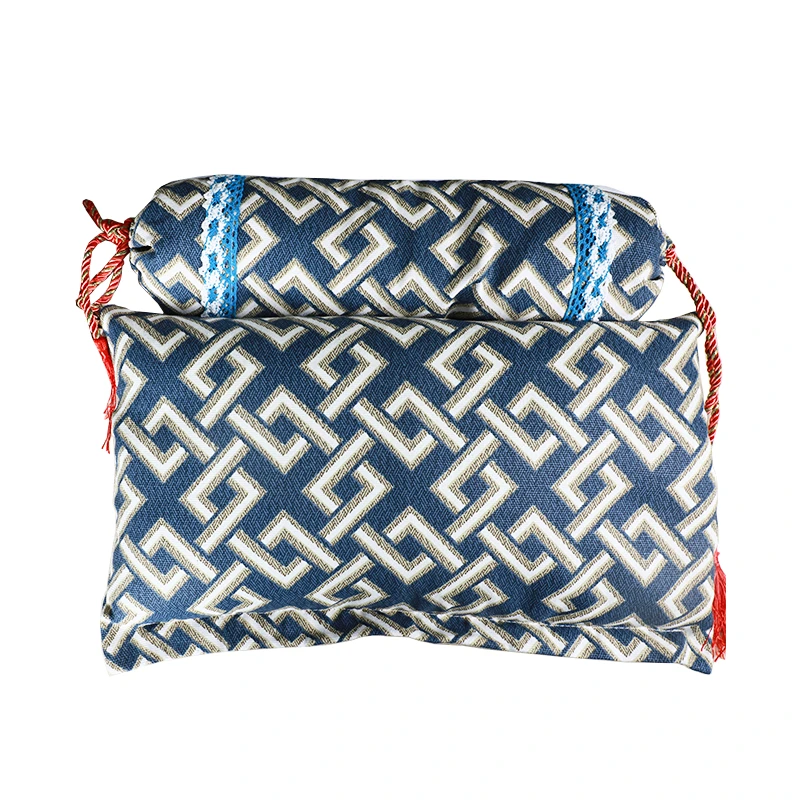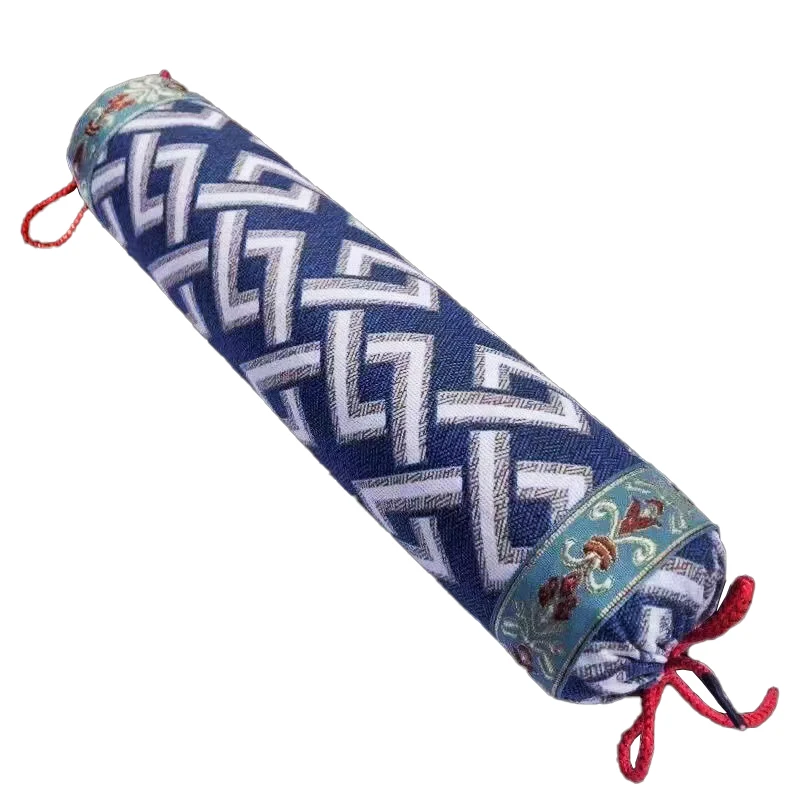
Sour Jujube Shell Integrated Pillow: Cooler, Calmer Sleep?
A field note on natural-fill pillows: why the Sour Jujube Shell Integrated Pillow is quietly trending
The home-textiles market is moving back to grounded materials—less foam chemistry, more botanical fills. To be honest, it’s not just nostalgia. Buyers want breathability and traceability. That’s where the Sour Jujube Shell Integrated Pillow keeps popping up in spec sheets and buyer chats, especially among wellness-centric retailers.
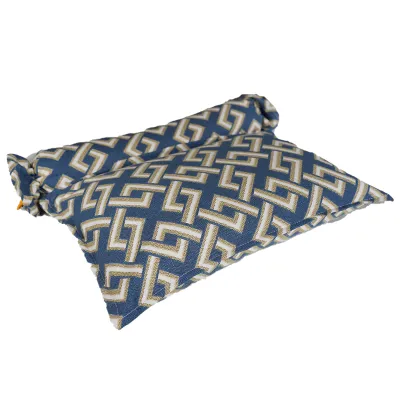
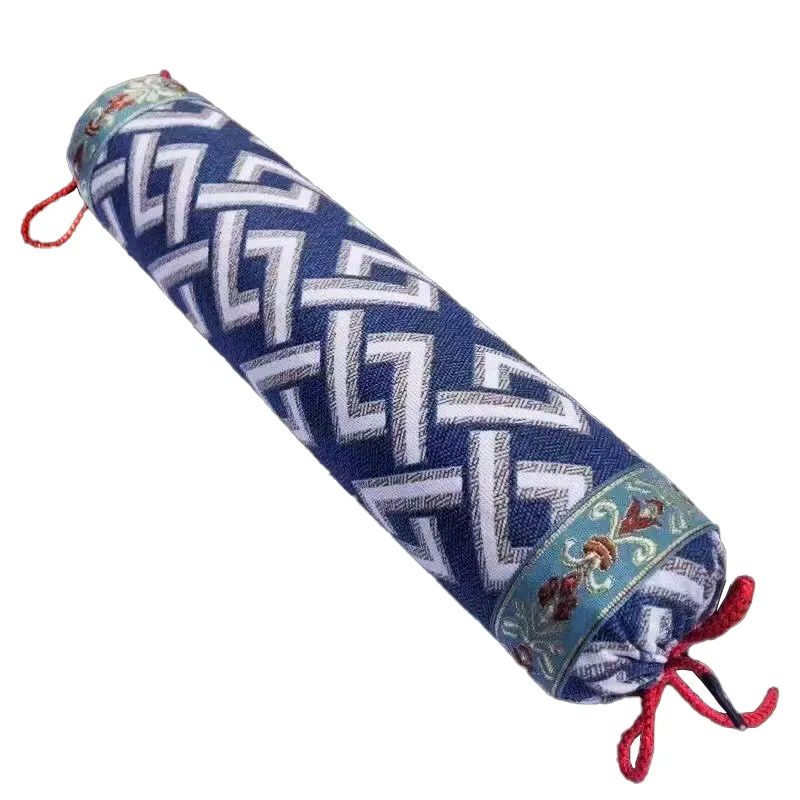
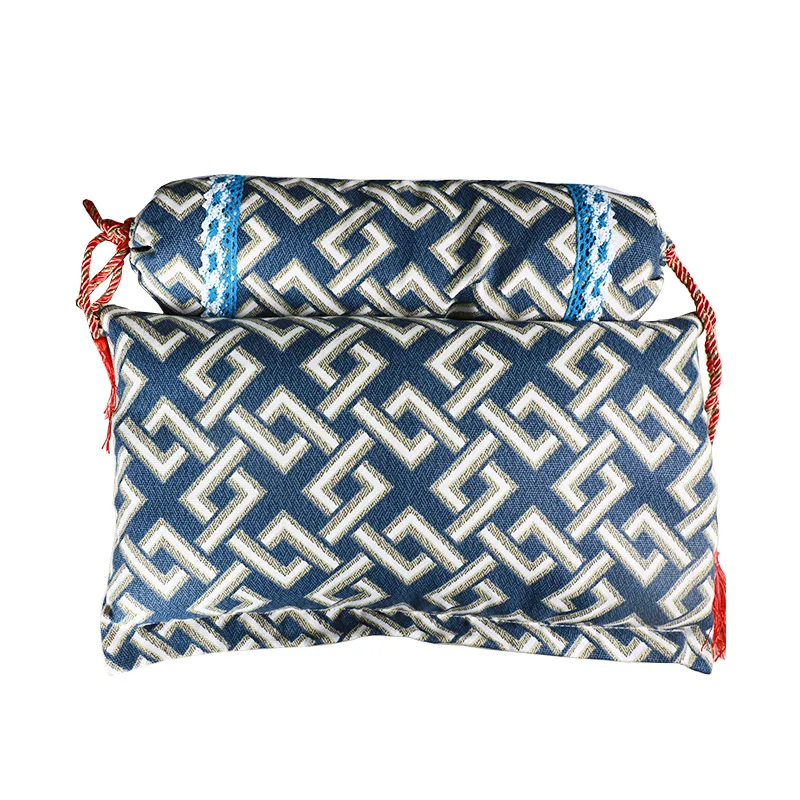
Sourced from the north side of Jinan International Logistics Port, Neiqiu County, Xingtai City, Hebei Province, the fill comes from Taihang Mountain wild sour jujube shells—physical filling, no additives. Many customers say the pillow feels supportive but not “stuck,” thanks to shell airflow. I tried it briefly in a showroom—surprisingly springy, with a tactile rustle that some people actually like.
Quick specifications
| Product | Sour Jujube Shell Integrated Pillow |
| Filling mass | ≈ 3.5 kg sour jujube shells (selectable by user) |
| Shell preparation | Cleaned, graded, kiln-dried; physical de-dusting; no chemical fragrance |
| Pillowcase | Cotton or cotton-blend (options); zipper or envelope closure |
| Dimensions | Standard/Queen/King (custom sizes on request) |
| Service life | Around 24–36 months before top-up; real-world use may vary |
Process flow and testing
- Materials: Taihang Mountain wild sour jujube shells; woven cotton case.
- Methods: harvest → shell separation → multi-stage washing → drying (≤12% moisture) → sieving (particle balance) → de-dusting → metal detection → packaging.
- Testing standards: fabric safety aligned to GB 18401 (China); optional OEKO-TEX Standard 100 for cases; QC under ISO 9001; moisture and cleanliness per internal SOPs; thermal/moisture breathability referenced to ISO 11092 where applicable.
- Typical test data: residual moisture 8–10%; dust content ≤0.5%; odor grade: non-irritant (panel test, n=10).
- Industries served: home & bedding, boutique hotels, wellness retreats, postpartum care, eldercare, meditation spaces.
Where it’s used (and why)
- Home bedrooms needing cooler microclimates versus foam.
- Yoga/meditation studios—stable loft, tactile grounding.
- Hotels positioning “natural sleep” suites; easy to explain to guests.
Advantages I keep hearing: breathability, adjustable loft (remove/redistribute shells), and a no-additive story that buyers can actually verify. However, if you’re extremely noise-sensitive, test first; shell pillows have a soft rustle.
Vendor comparison (indicative)
| Vendor | Fill Source | Certs | Customization | Lead Time |
|---|---|---|---|---|
| Sour Jujube Shell Integrated Pillow supplier (Hebei) | Taihang wild shells, graded | ISO 9001 (factory); OEKO-TEX case optional | Size, mass, case fabric, logo | ≈7–15 days |
| Generic aggregator | Mixed origins | Varies | Limited | 15–30 days |
Customization menu
- Filling mass: 2.5–4.5 kg (around).
- Pillowcase: 100% cotton, twill, or blended; zipper/envelope; dyeing compliant with GB 18401 A/B class as required.
- Branding: woven label, care label in EN/CN; retail box or vacuum bag.
Mini case notes
- Wellness hotel, Hangzhou: swapped foam for Sour Jujube Shell Integrated Pillow in 20 rooms; guest feedback cited “cooler feel”; housekeeping reported easy airing, no clumping after 3 months.
- E-commerce seller, EU: private-label run with OEKO-TEX case; return rate under 2.5% over first quarter (around category average or better).
Care tips: air-dry in shade monthly; avoid machine washing the shells; spot-clean case or remove and wash; top up shells over time if loft softens.
Citations
- GB 18401-2010: National General Safety Technical Code for Textile Products (Standardization Administration of China).
- OEKO-TEX Standard 100, Product Class II, human-ecological requirements.
- ISO 9001:2015 Quality management systems—Requirements (International Organization for Standardization).
- ISO 11092:2014 Textiles—Measurement of thermal and water-vapour resistance (sweating guarded hotplate).
-
Discovering the Rich Tradition of Daechu Hangukcha Korean Jujube TeaNewsJan.27,2026
-
Discover the Wellness Benefits of Traditional Korean Daechu Saenggangcha TeaNewsJan.27,2026
-
Oyasumi Sleep Tea: Natural Sleep Aid ReviewNewsJan.26,2026
-
Night Sleep Tea for Business WellnessNewsJan.26,2026
-
Industrial Roller Conveyors - ZGXQR ReviewNewsJan.25,2026
-
Herbal Teas for Sleep: Find Your CalmNewsJan.24,2026